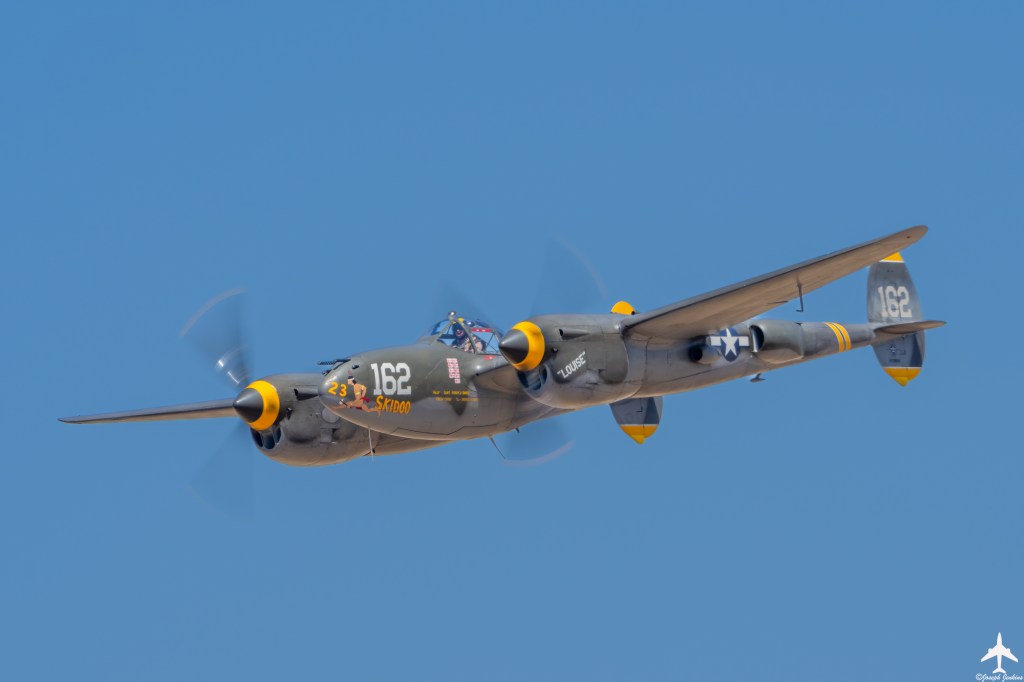
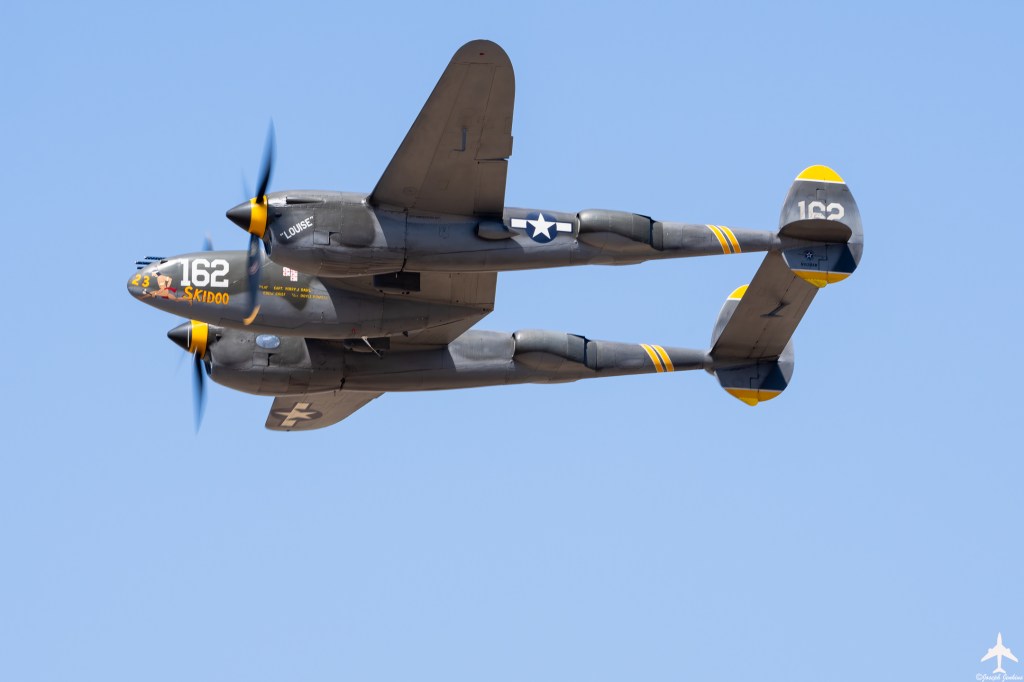
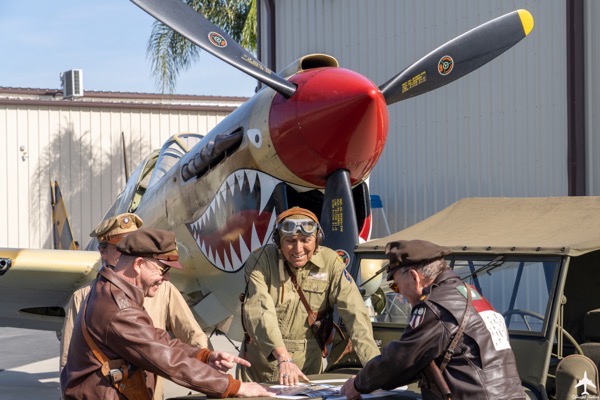
The P-40 designed in 1938, actually went into production in 1940. It wasn’t the fastest nor could it fly the highest. However Curtiss was able to produce some large numbers and make it available quickly. In the United States Army Air Corps, we needed an airplane now. Curtiss was able to deliver that. This aircraft would actually serve with all of the allies in all theaters of combat of the Second World War. It was powered by an Allison engine, which is a single-stage supercharger. So one of its disadvantages was that it couldn’t fly very well above 15,000 feet because the air got too thin. But at 15,000 feet below, this aircraft was a handful for enemy aircraft and that’s what made it really successful. So it went into mass production right around the spring of 1940 and Curtiss was able to make it in very large numbers which became hugely important because at Pearl Harbor and the invasion into South Pacific, this was the aircraft that was used to defend our country. And it was effective, if you kept it just below the 15,000 feet level, it served with the first volunteer air group over in China. And that’s where it had its distinctive, shark mouth opening. So underneath that and inside there, you have two radiators for the engine coolant. And you also have a radiator for the engine oil, which is very important. Again, it would fly for all of the allies in the country. And especially in North Africa, where high altitude was not really all that big a necessity. And that’s how this aircraft is painted. Most of us are familiar with the star we’ve seen on Army Air Corps in the past. And this one has a golden ring around it. And that is symbolic of the battles that were going on in North Africa. They had 6 50 caliber machine guns which made it very deadly. It could also carry 1500 pounds of ordinance. In combat in the air, the aircraft could be very effective especially with working in pairs which became one of the ways it was able to tackle the zero. The zero could outturn this aircraft, but this aircraft here could actually outturn some of the Allied fighters. A little bit different than the Merlin, because their displacement is slightly different, and obviously the turbocharging is also slightly different in them, but it is very distinctive. Now the same engine was also in the P38. But in that format, it actually had turbocharging. So Allison got a bad rap about not being good about 15,000 feet. But it was just a choice that the United States Army Air Corps made to not turbocharge this engine. Because in the P38, it was very effective. Up to 30,000 feet and beyond. This machine is also a veteran having shutdown a Fugu Balloon after the war.
Photography
Burrowing Owls
I was out at the Ontario Airport plane spotting over the weekend. I noticed two other photographers out there looking into a field. I drove over to check out what they were doing. They were shooting burrowing owls near the airport. Turns out there is a habitat for them and there are several different areas in this field that they raise their young. Burrowing owls spend most of their time on the ground hunting small animals and insects. They took over the burrows of ground squirrels and prarire dogs.
Thunderbirds at Pacific Airshow
Fly Me to the Moon
Bolsa Chica Preserve
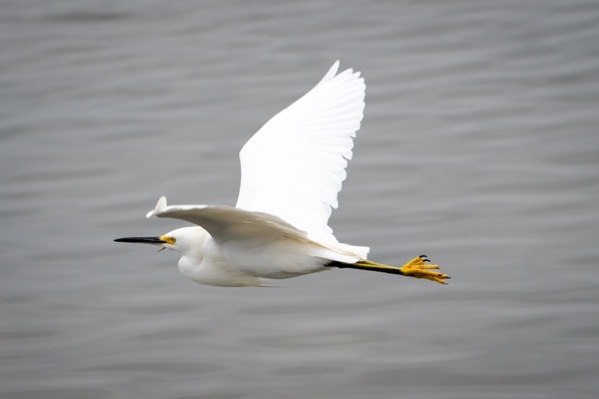
It was an overcast and slightly rainy day at Bolsa Chica the last time I was out. I walked the area and caught some birds in flight and getting their morning breakfast. During the time out the sun never made an appearance, so while it was basically a white box for the whole shoot and no highlights, it didn’t make for great photography. I was out with the Sony 200-600 and the A1. Granted I didn’t really need the high frame rate of the A1, the 200-600 is always a nice lens to shoot with.
T1 Gnat
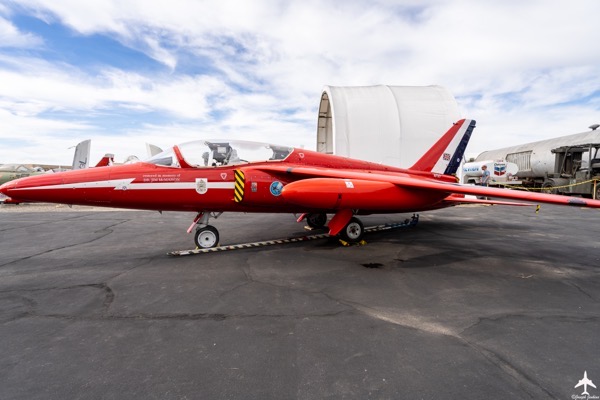
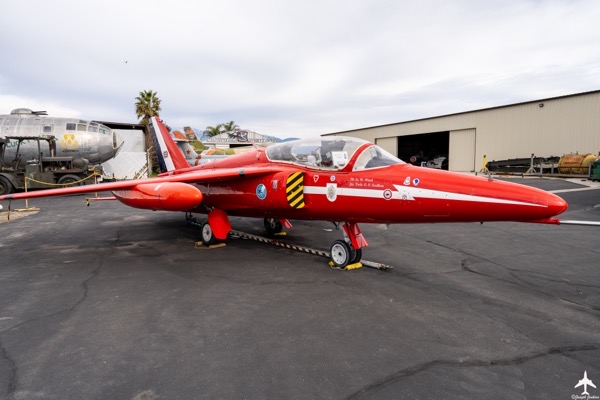
Planes of Fame has a new temporary visitor. This is a restored and registered 1962 Folland Gnat T.1 that flew with the RAF Red Arrows demonstration team from 1972 to 1979. The Gnat is a plane that could break Mach 1 when in a dive. It was built as a low cost fighter, that ended up never seeing service.
Planes of Fame Hangar Talk – P-51D Dolly/Spam Can
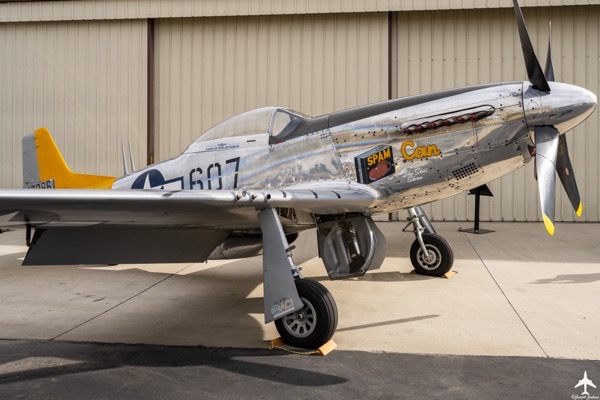
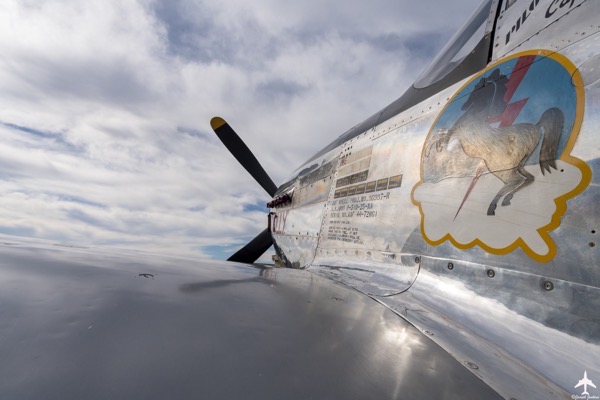
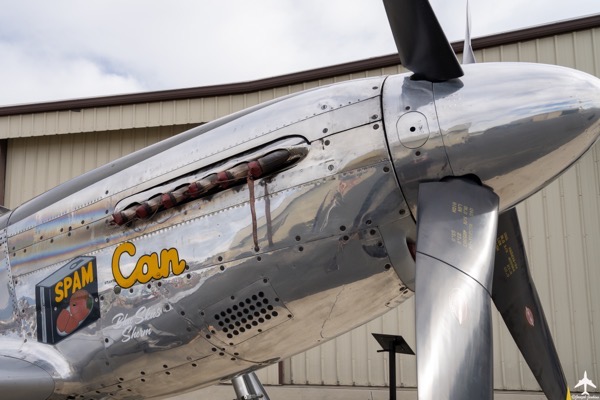
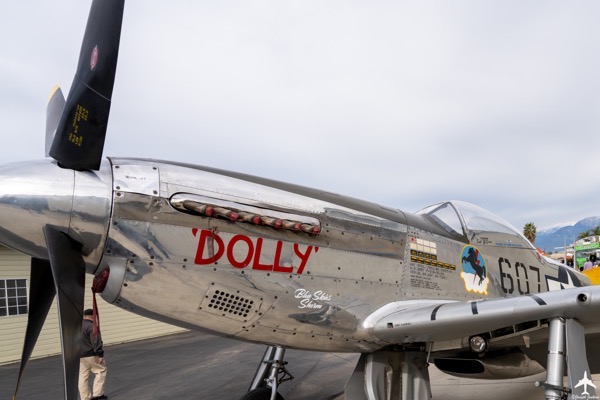
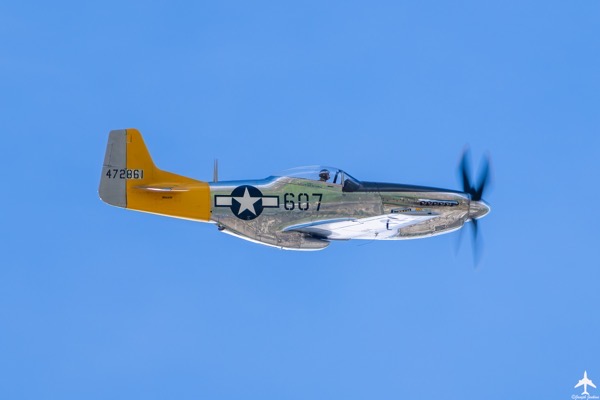
This past weekend was the Planes of Fame Hanger Talk that showed the P-51D Mustang Dolly/Spam Can taking to the air. This plane is part of the Museum’s collection and has been since 1957 when it was acquired by Ed Maloney at auction. This is the longest owned privately held P-51. This is the D variant, that has the Packard engine and bubble canopy.


2022 Camarillo Airshow
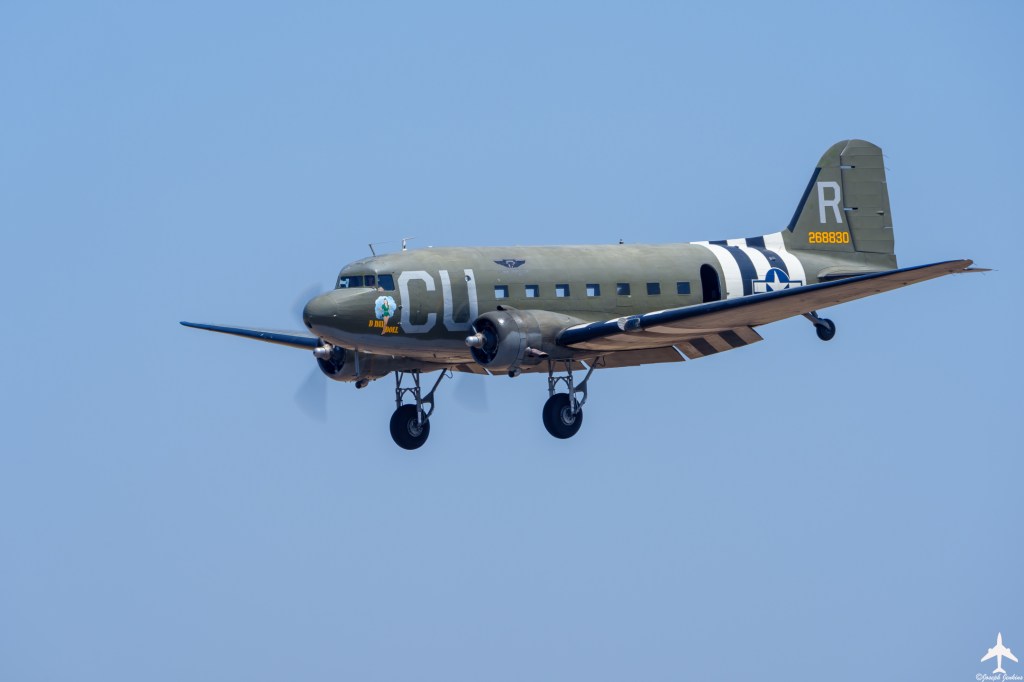
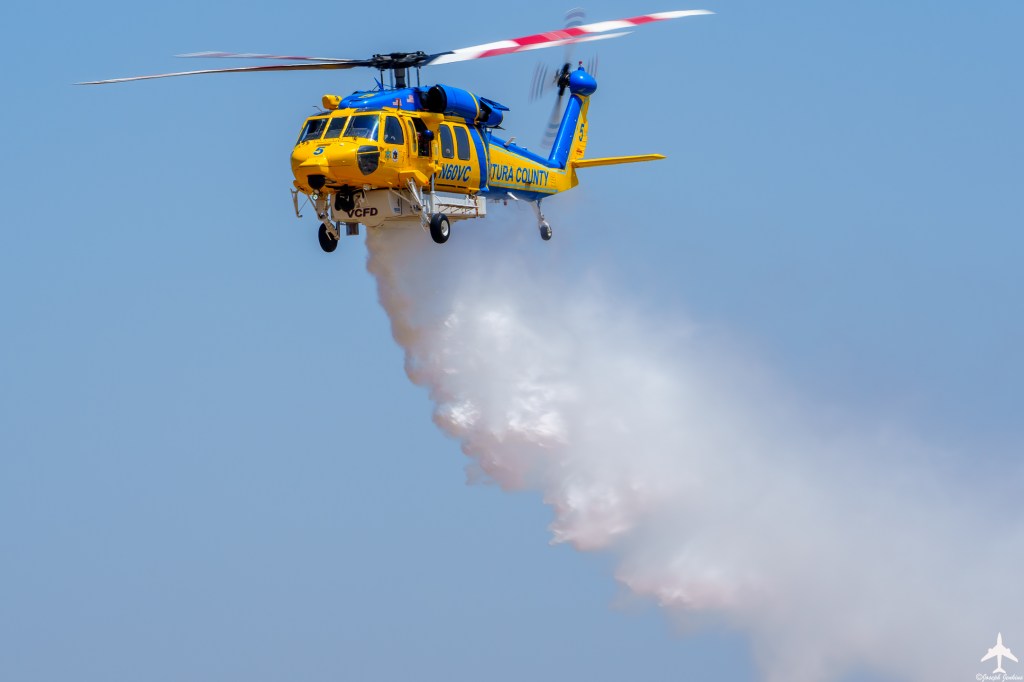
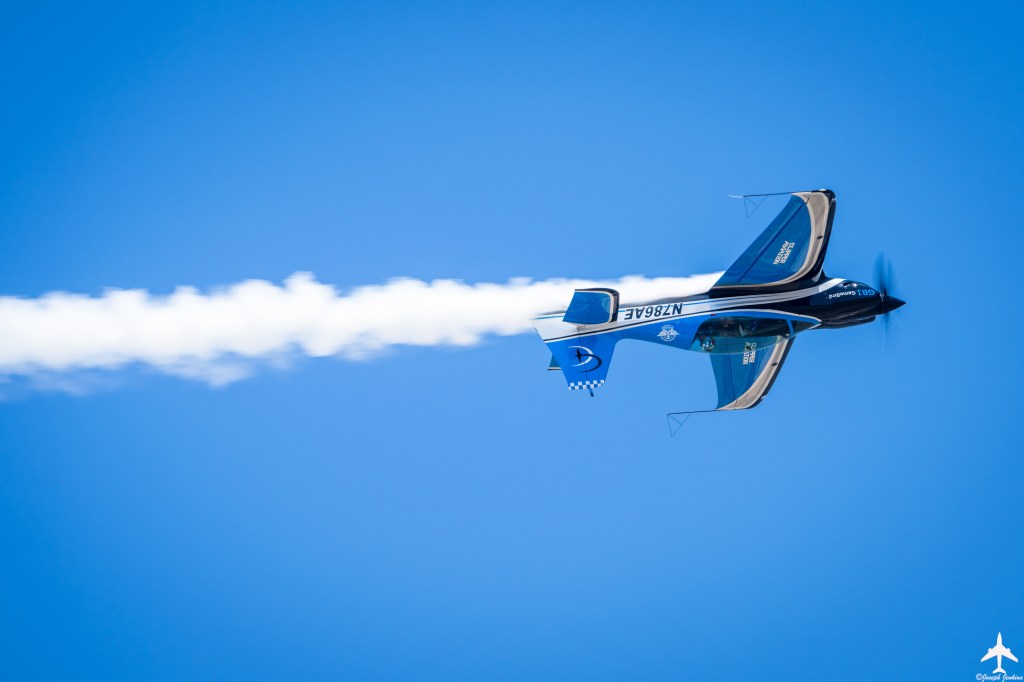
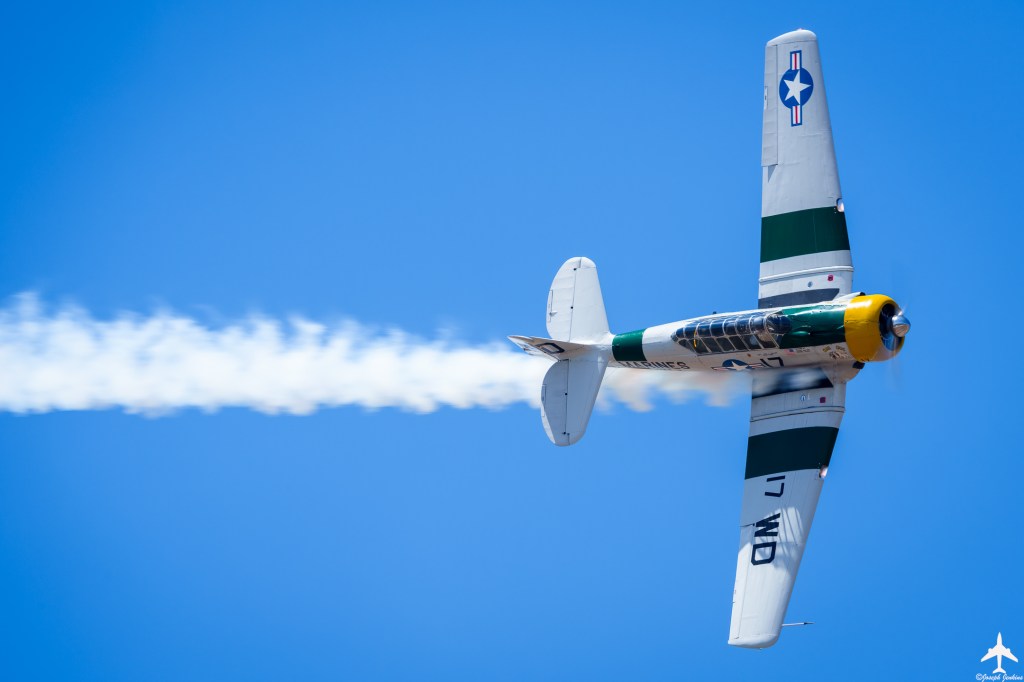
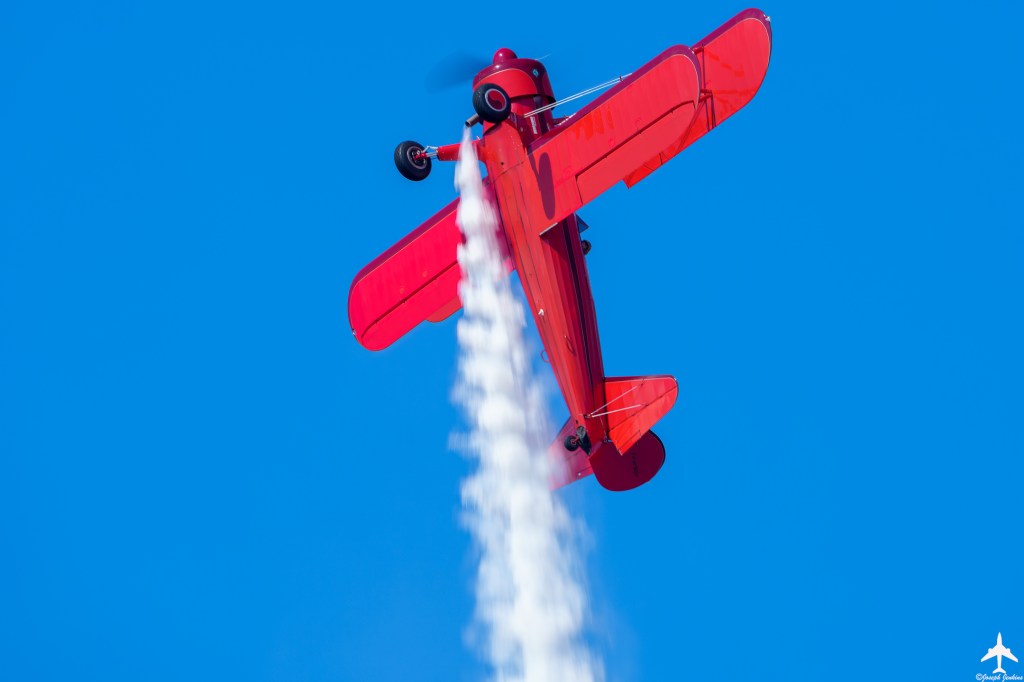
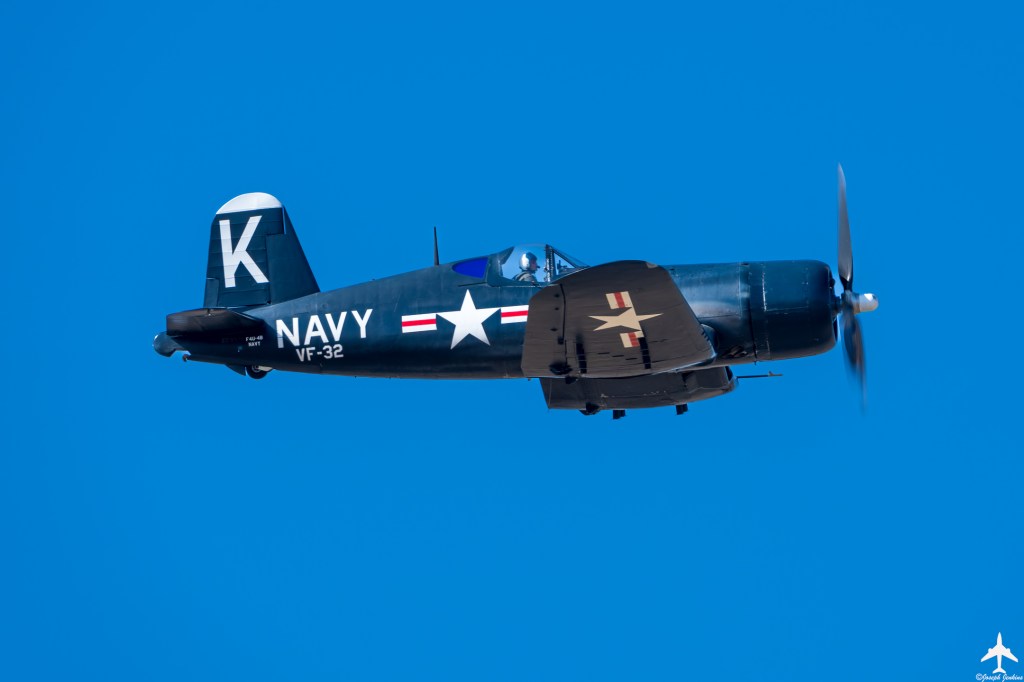
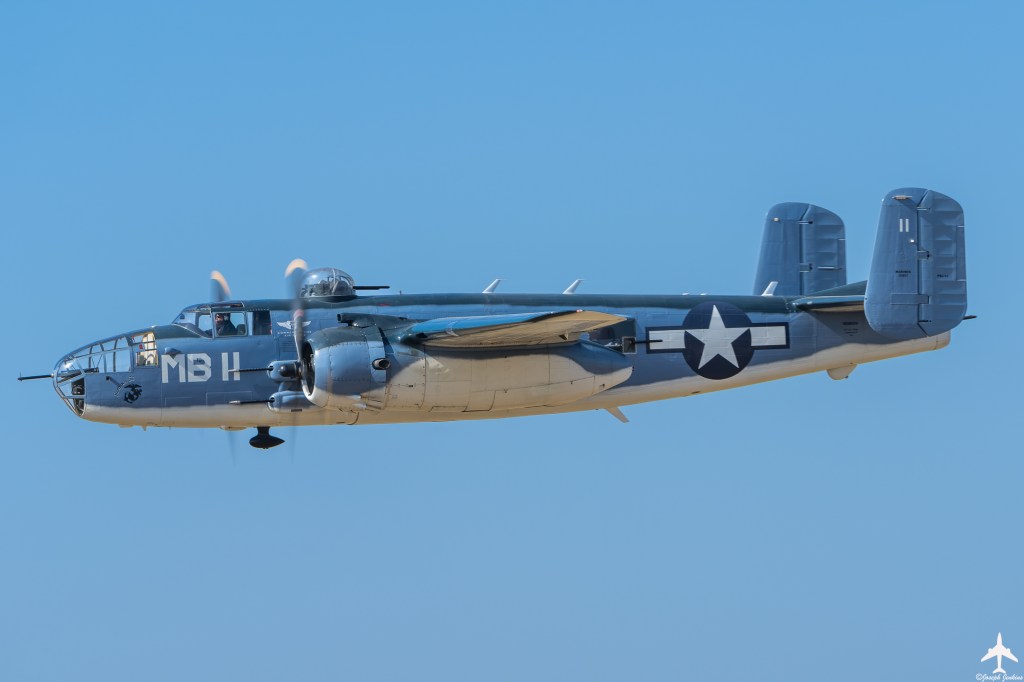
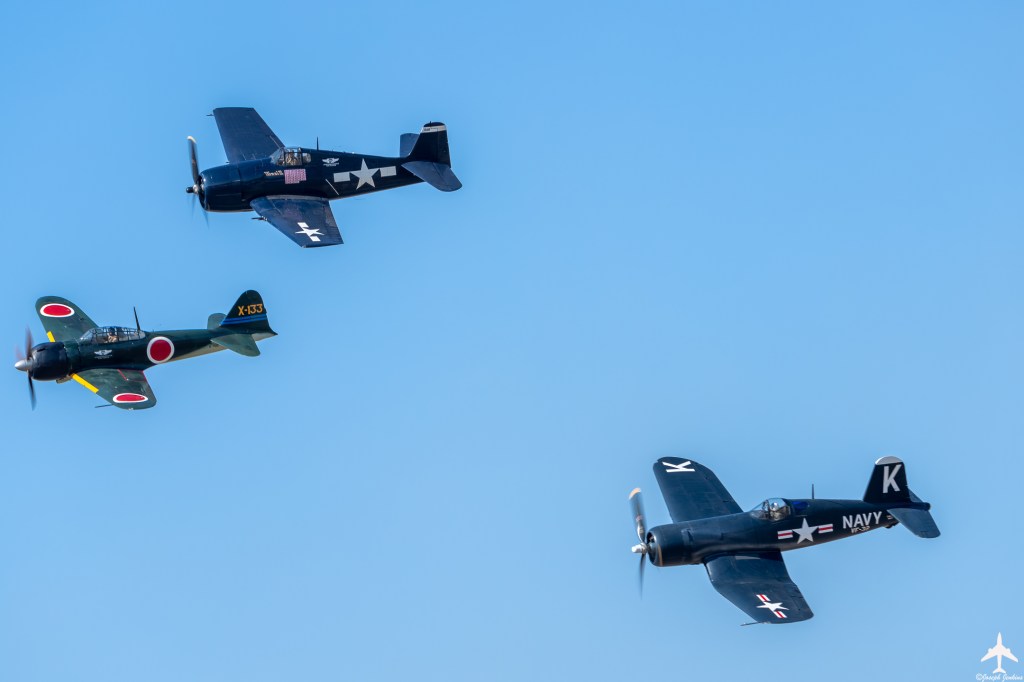
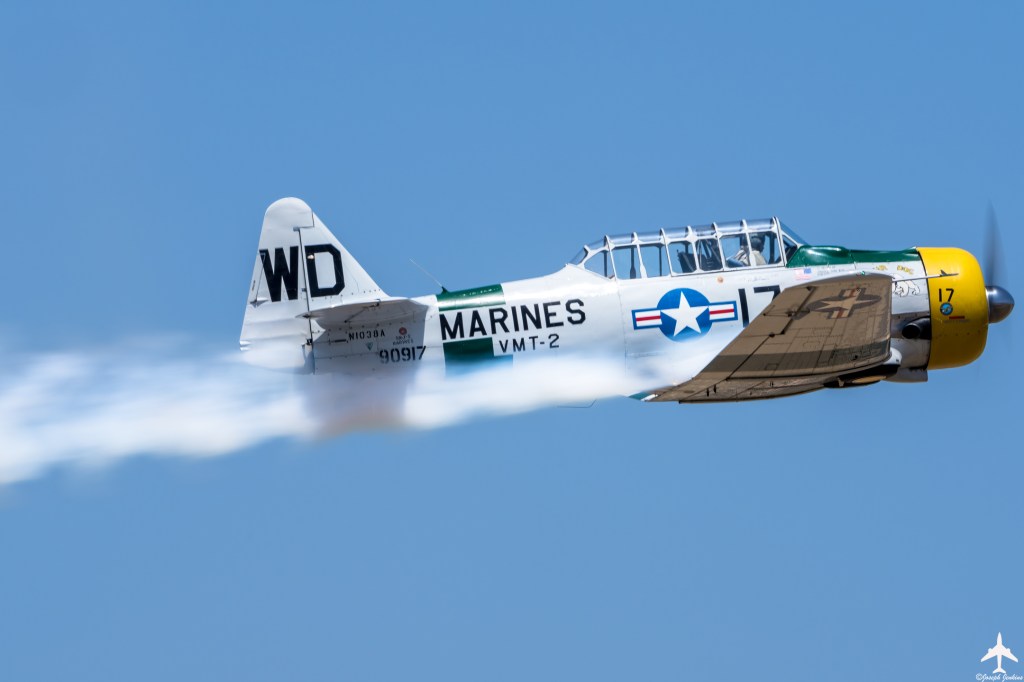
Life is almost back to normal and at least we had an almost full year of Airshows. Went to both of days of the Camarillo airshow and had a great time capturing photos up there. Not as many jets this year, but the WWII planes from Planes of Fame and the Palm Spring Air Museum make this show a treat to visit and experience. The weather was nice, could always ask for a few more clouds, but I will take what I can get and enjoy the time out.


Planes of Fame A6M5 Zero
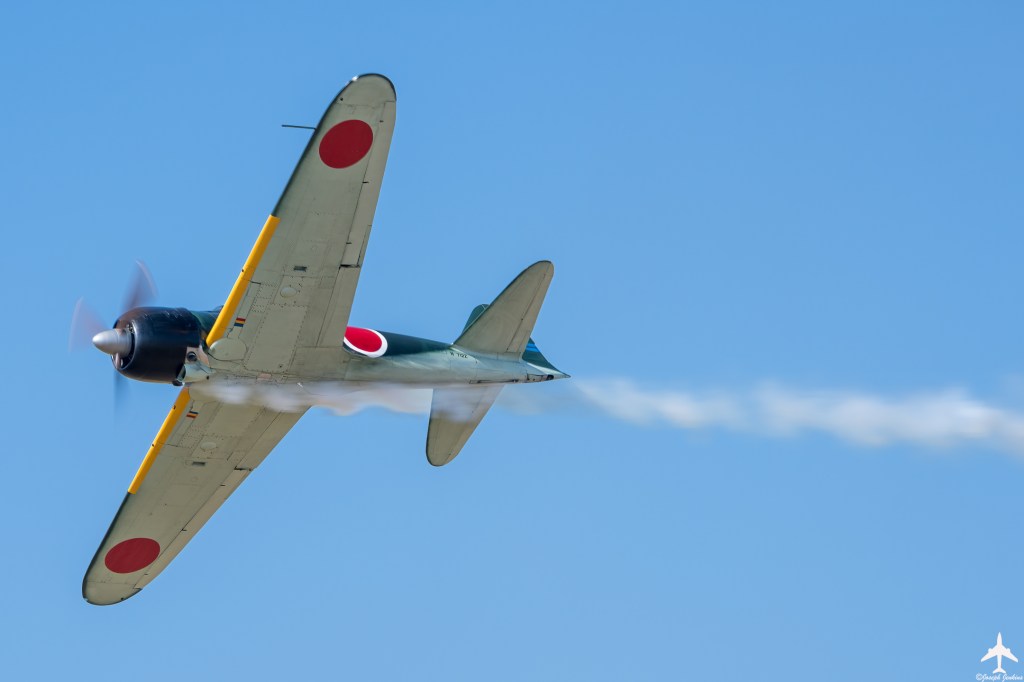
Planes of Fame flew their Zero a few weeks ago, unfortunately the day was overcast and foggy and the aerial images weren’t the best. I took a few of it on the ground and did the best I could with those in the air. This is a famous zero that has been in movies and has the honor of being the last original one. The day was very hazy, but I was out there with my A9ii and 200-600 with 1.4x tele extender. I ended up using quite a bit of dehaze in Lightroom to get the shots to look anywhere near decent. Beautiful plane would have loved for the day to have been better.


2021 Props and Hops Beer Festival
This past weekend I attended the Props and Hops festival down at the Palm Springs Air Museum. What more could you ask for beer and warbirds. I didn’t take my full camera kit as we were only in one part of the museum. However I did mess around with some shots during the festival with my iPhone. Being up close with an F-14 Tomcat was kind of nice. Also the beer was really good to, need to make some more trips down to desert as there are some nice places.