Went to Joshua Tree a few weeks ago to get some last shots in of the Milky Way before the core dropped below the horizon. Unfortunately it was a little too late in the season since the core had dropped behind the mountain range and the lights from Palm Springs and the surrounding cities were so bright that it washed out a lot of what I could see. I decided to mess around and do some star trails. I chose to do a 10 second shot every 20 seconds, so roughly 2 shots/minute and then stitch them together aftewards. I set it up a couple of different places and did the following shots while I was there. The app I used to do the stitching was StarStax and this was with the basic settings. I tried to edit out the shots that had satelites or planes in them, unfortunately it made the shots way to choppy and not smooth stars. I need to try and do more shots per minute to give me the ability to edit stuff out or I need to post process the images to remove those items with the clone tool. Also a little bit of lightening in the foreground would be good.
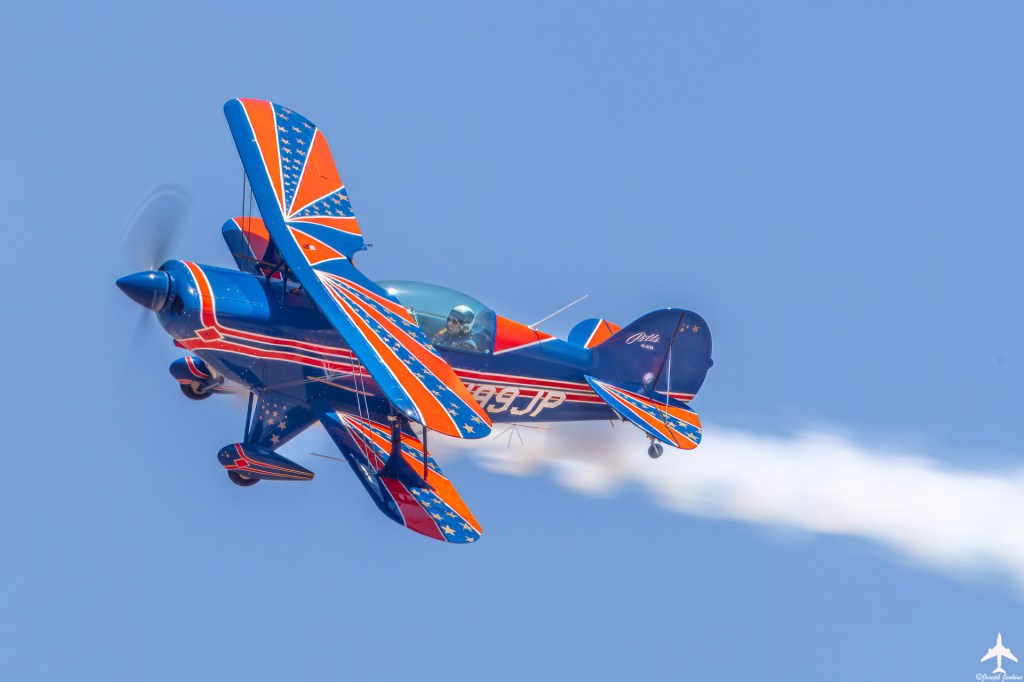
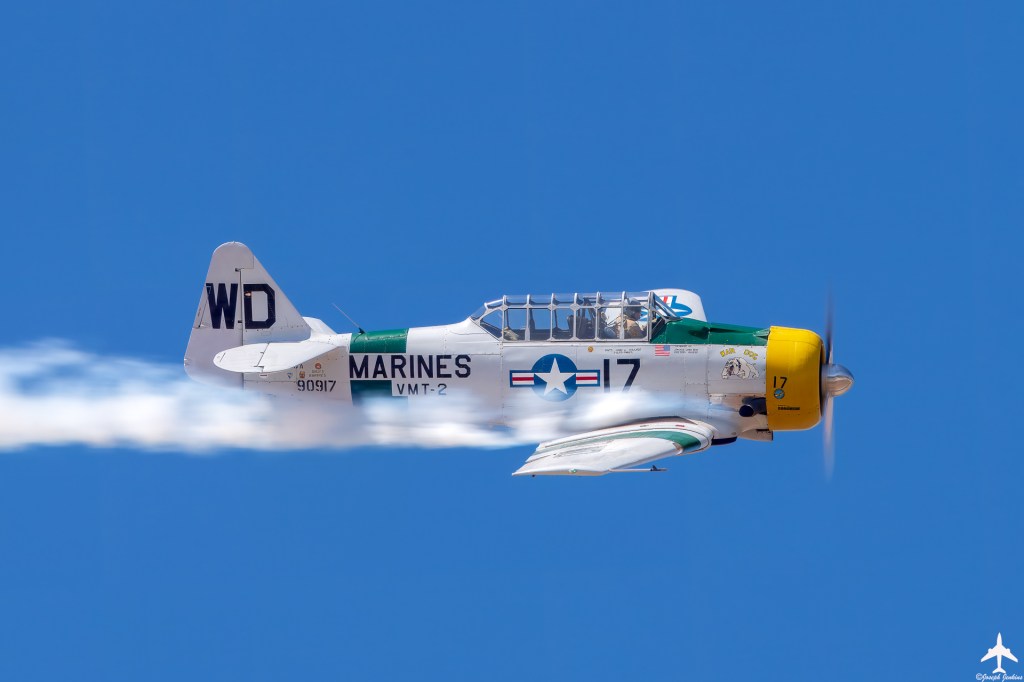
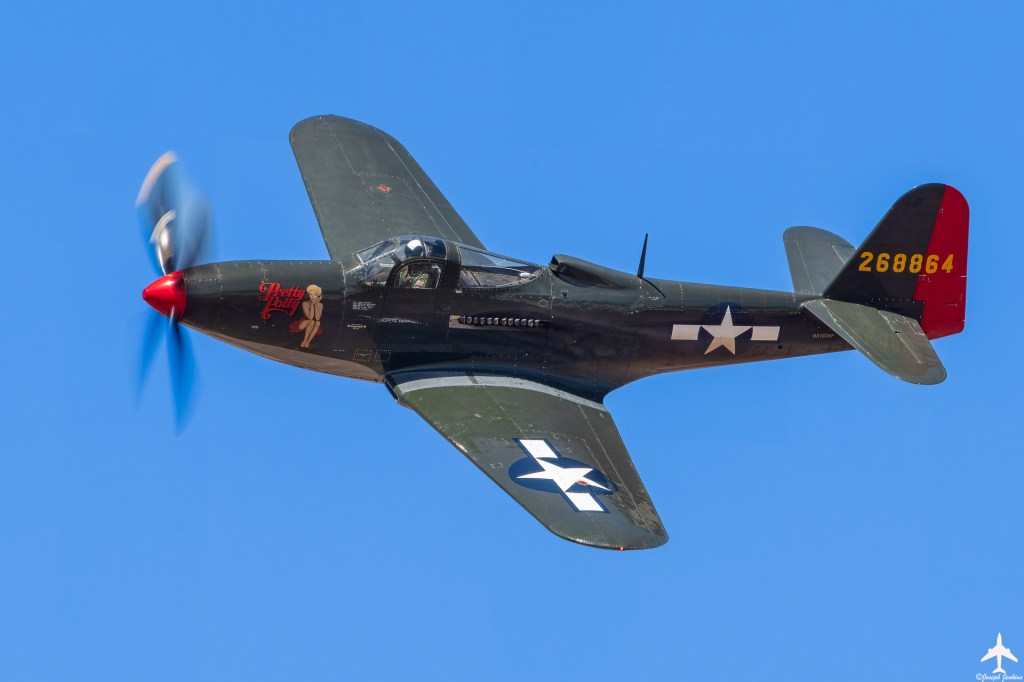
Some shots from the 2024 Wings Over Camarillo Airshow. A good show with several WW2 warbirds from Planes of Fame, the Palm Springs Air Museum, and the Commemorative Airforce.
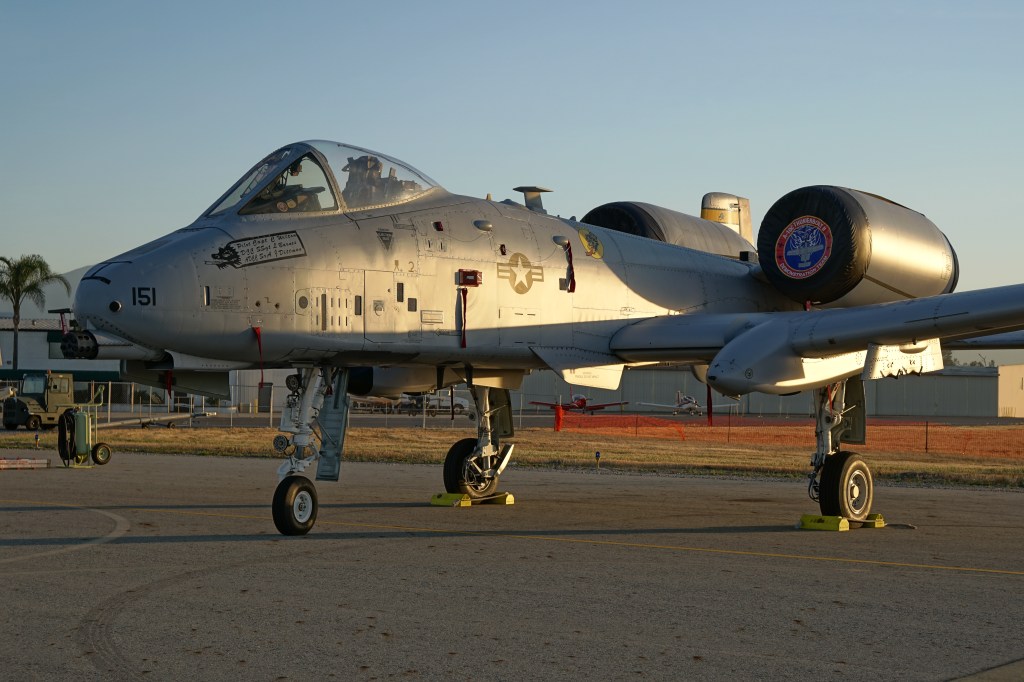
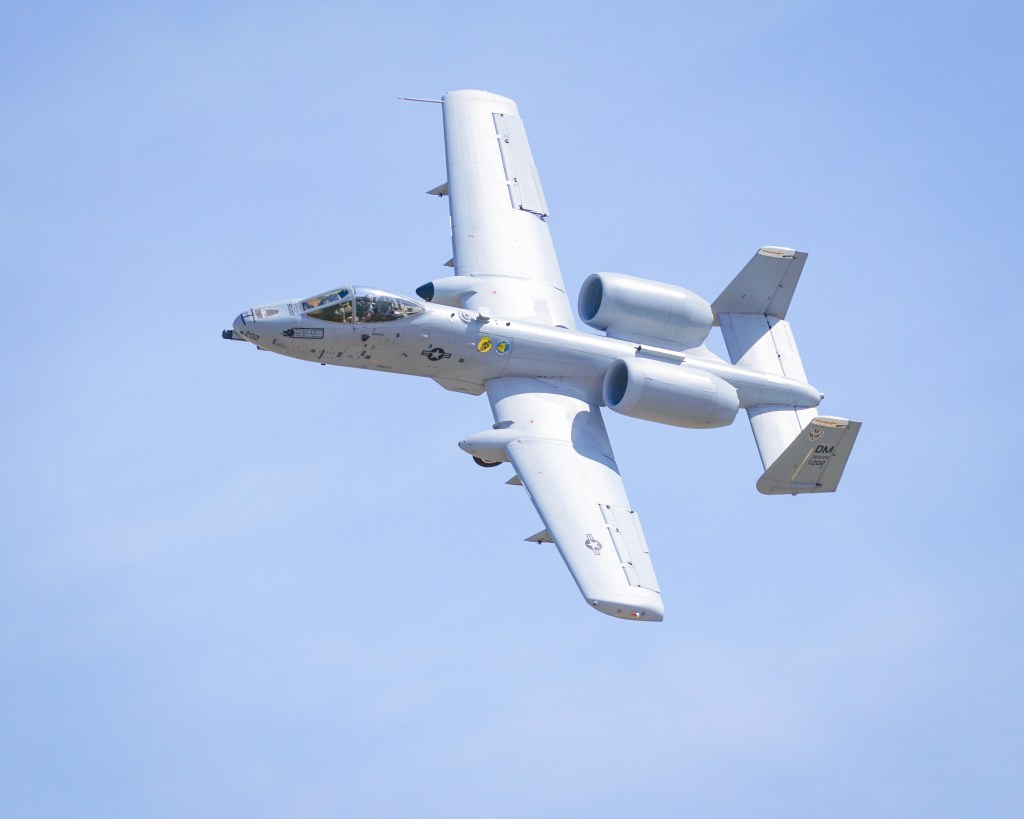
This is the final year of the A-10 demo team performing at airshows and for the public. Here are some of shots I’ve taken over the years of the plane performing at various shows.
These shots were taken at the 2018 Planes of Fame Airshow in Chino.
These shots were taken at the 2023 Apple Valley Airshow.
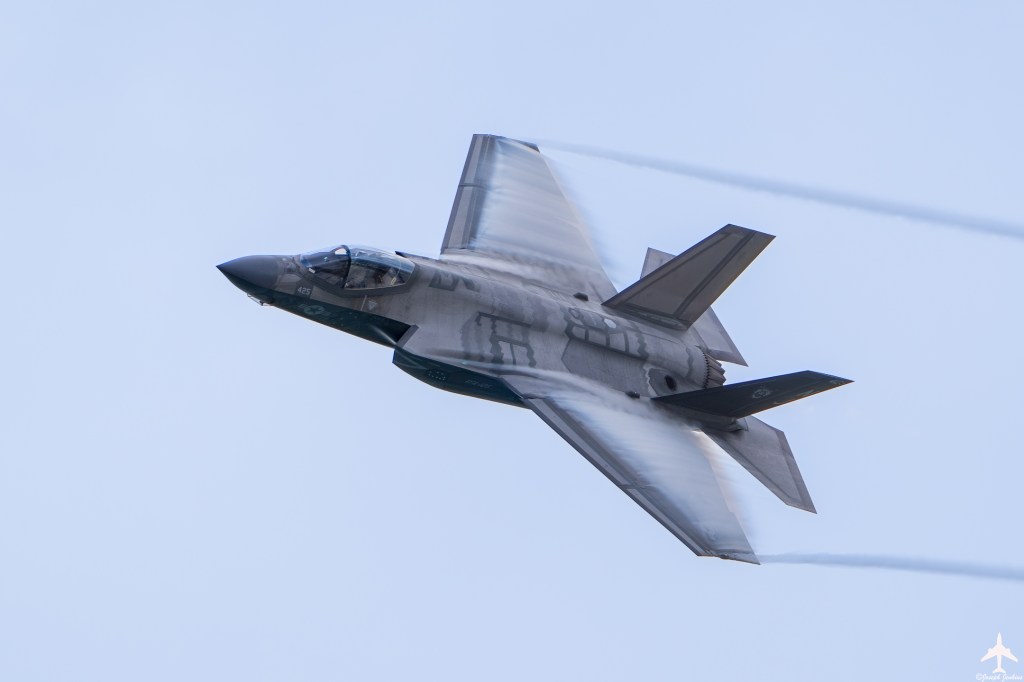
A couple of shots taken at the Pacific Airshow. As the F-35C is barreling through the skies and performing. This was VFA-125 performing at the airshow.
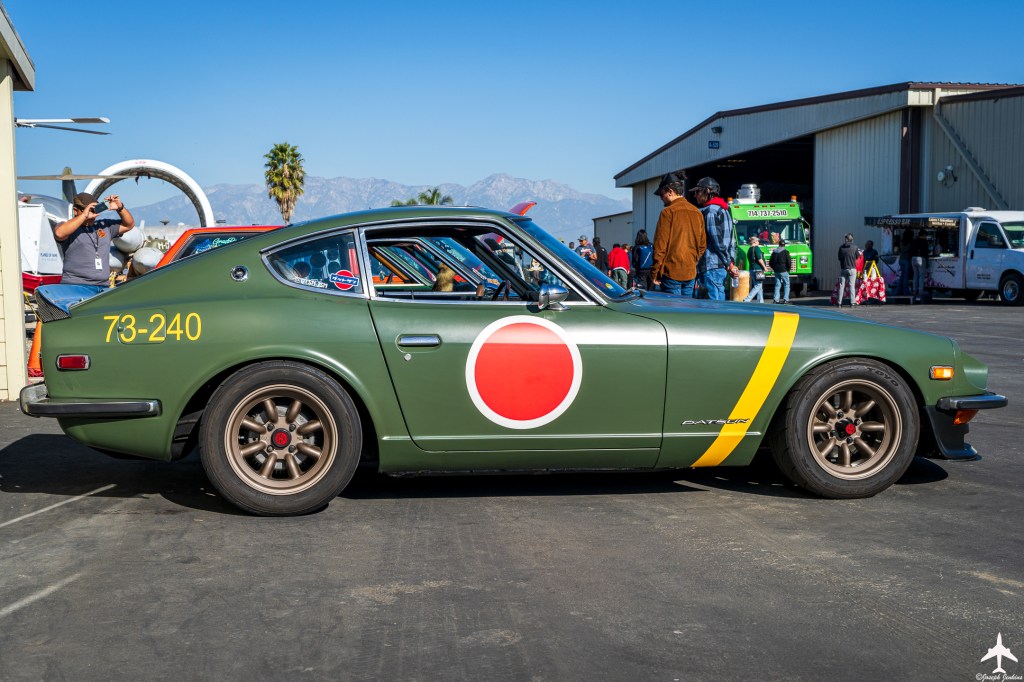
No fighter aircraft from WWII so captured the imagination of the public and the acclaim of history as the Mitsubishi A6M Type 0 (Zero) family of fighters. They were fast, versatile, highly adaptable, and in the hands of a skilled pilot, packed a deadly punch. The A6M was designed to fly long-range missions, requiring its weight to be held to a minimum. Each aircraft was built of lightweight duralumin which gave it strength. It had a high-lift, low-speed monoplane wing which could out-turn any allied fighter of the early war period. To further keep the aircraft light and fast, there was no armor plating to protect the pilot or engine, and there were no self-sealing fuel tanks. The first aircraft went into operation in July 1940 against the Chinese Nationalist Air Force. At the time of the Pearl Harbor mission, 521 A6M aircraft were active in the Pacific. Allied pilots quickly learned that their aircraft were no match for the A6M the allied code name for the Zero was “Zeke”). Special “hit and run” tactics were developed by allied pilots to counter the “Zeke’s” strengths. These tactics cost Japan many of its most experienced aviators. Throughout the war, the A6M went through a number of advancements and improvements. The A6M5 Type 0 Model 52 variant (the Museum’s aircraft) entered service in June 1943. Over 6,000 versions would be produced, the most of any Zero aircraft. At this same time, new allied fighters such as the FU “Corsair” and F6F “Hellcat” entered combat. Their speed and agility matched those of the Zero, which now found the lack of armor and self-sealing fuel tanks to be its downfall. Combined with the growing problem of not enough skilled pilots, many Zeros were used for Kamikaze suicide missions. With the war’s end, production ceased. Nearly 11,000 A6M aircraft were produced from 1940 to 1945.
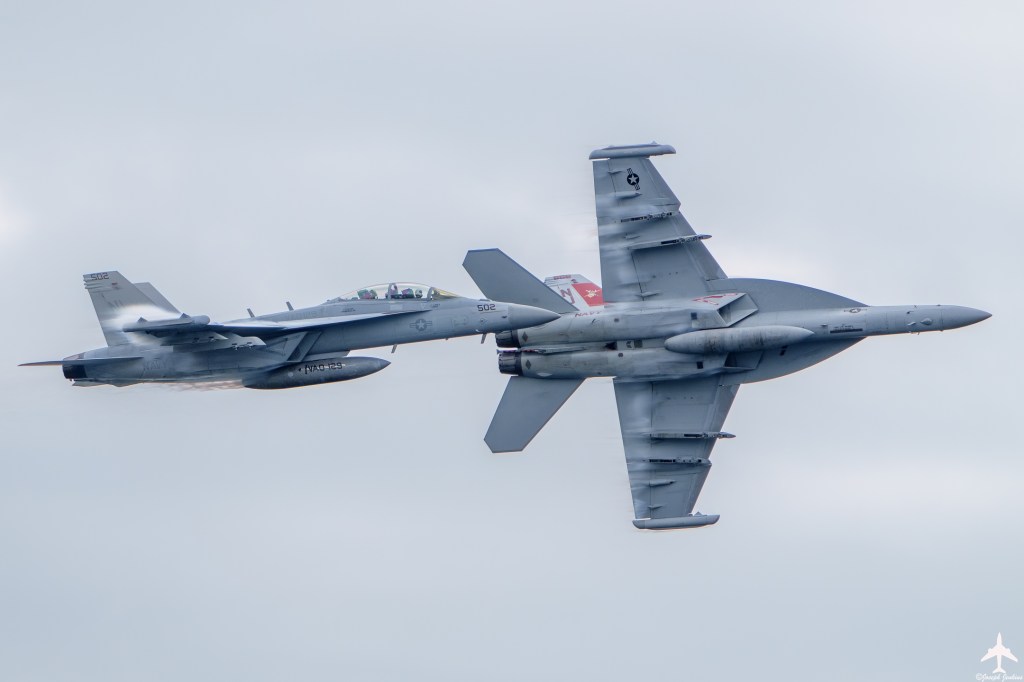
While at the 2023 Miramar airshow I could not for the life of me guess correctly on which plane was going to be in front during the crossovers at show center. Every single time I would guess wrong and even when I started flipping coins I wasn’t lucky enough to figure it out. The shots are okay, but obviously not perfect since the wrong plane is in focus during the crossing maneuvers.
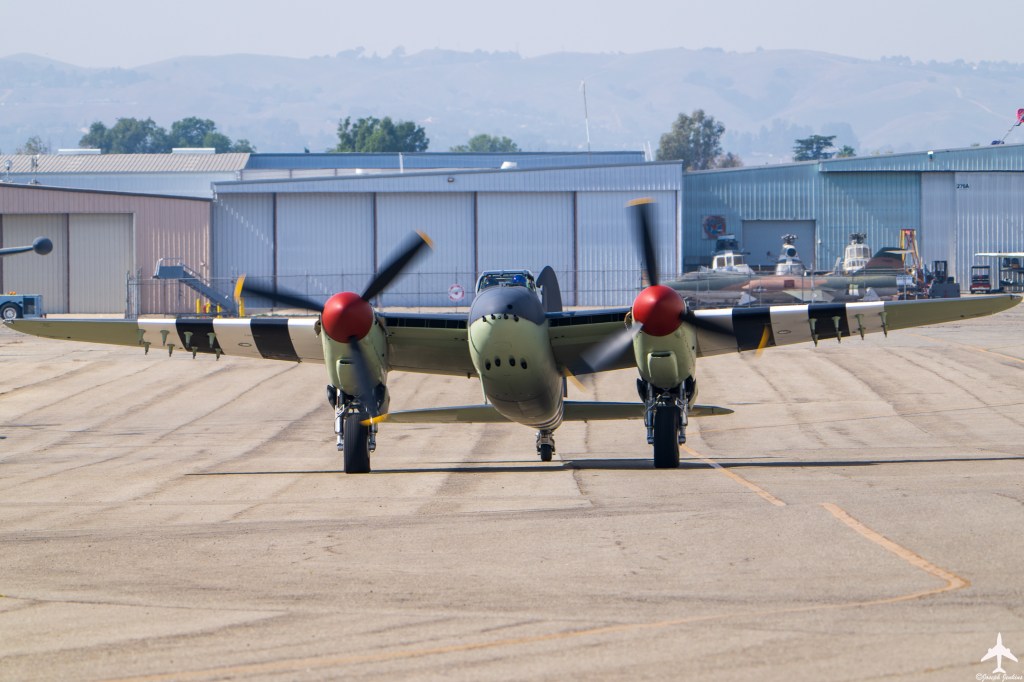
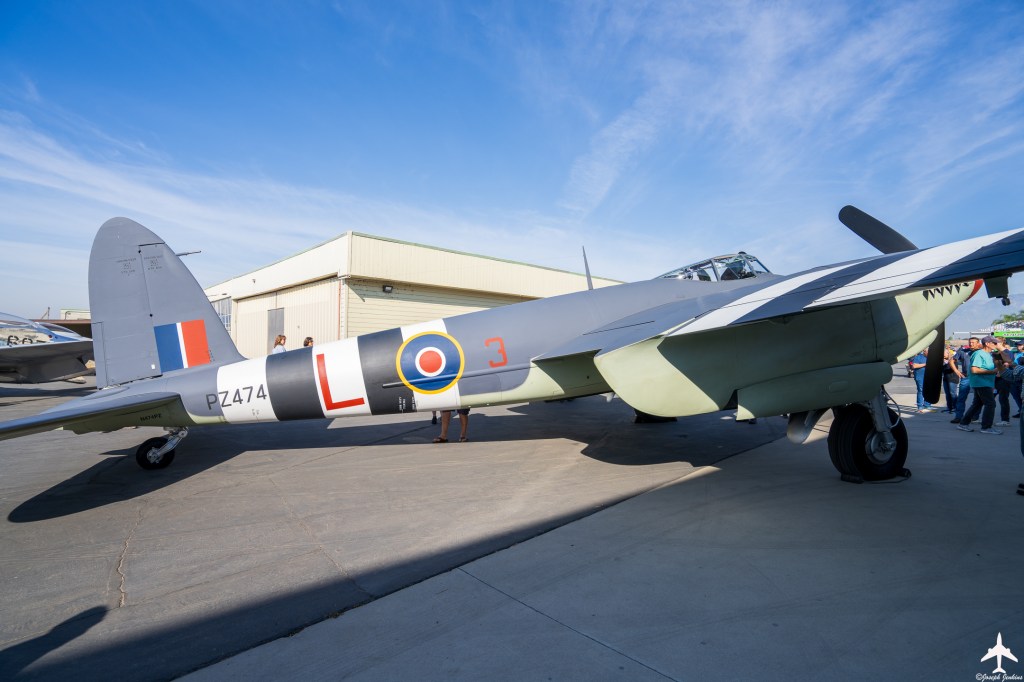
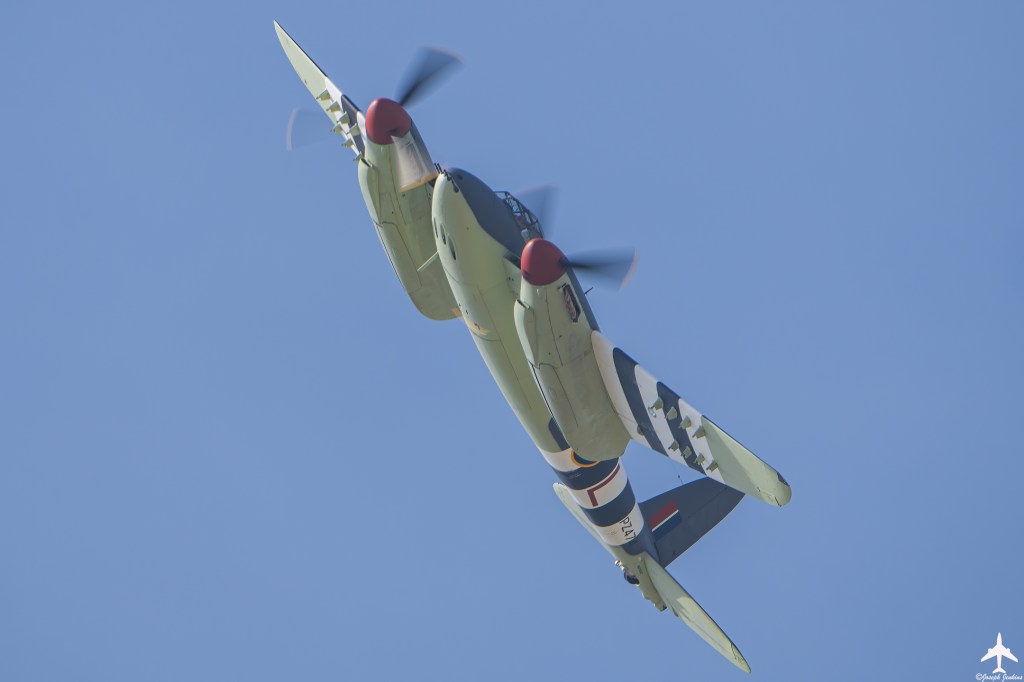
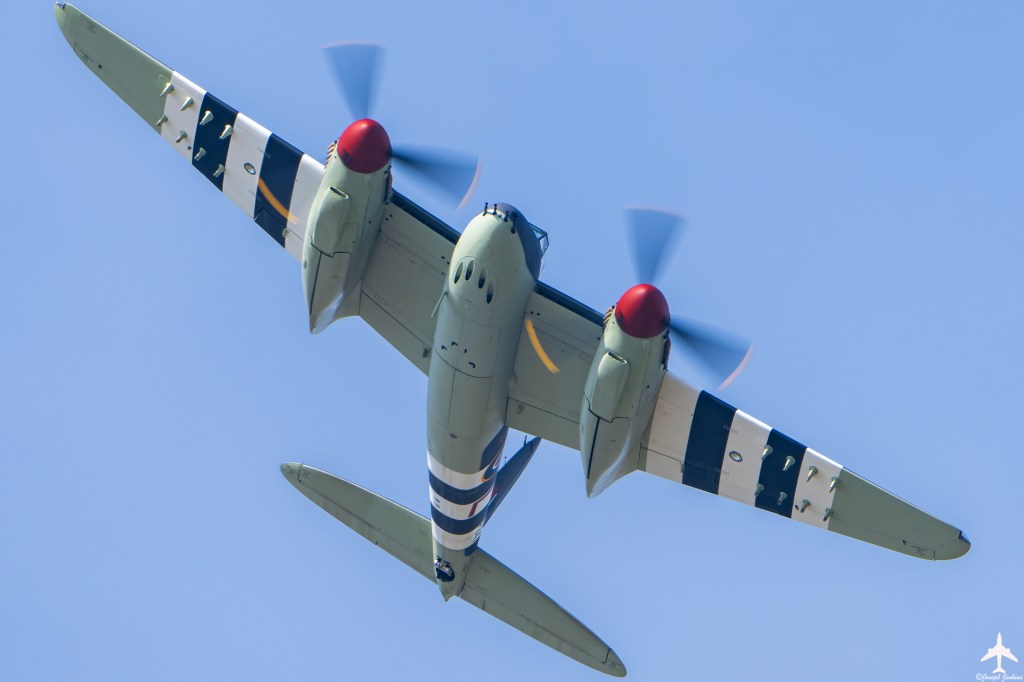
This plane is on loan to the Air Museum and they used it for the November Hangar Talk. The place is much bigger than I thought it was. I was really surprised at the size of it. Here is some excerpts from the talk they gave describing the plane.
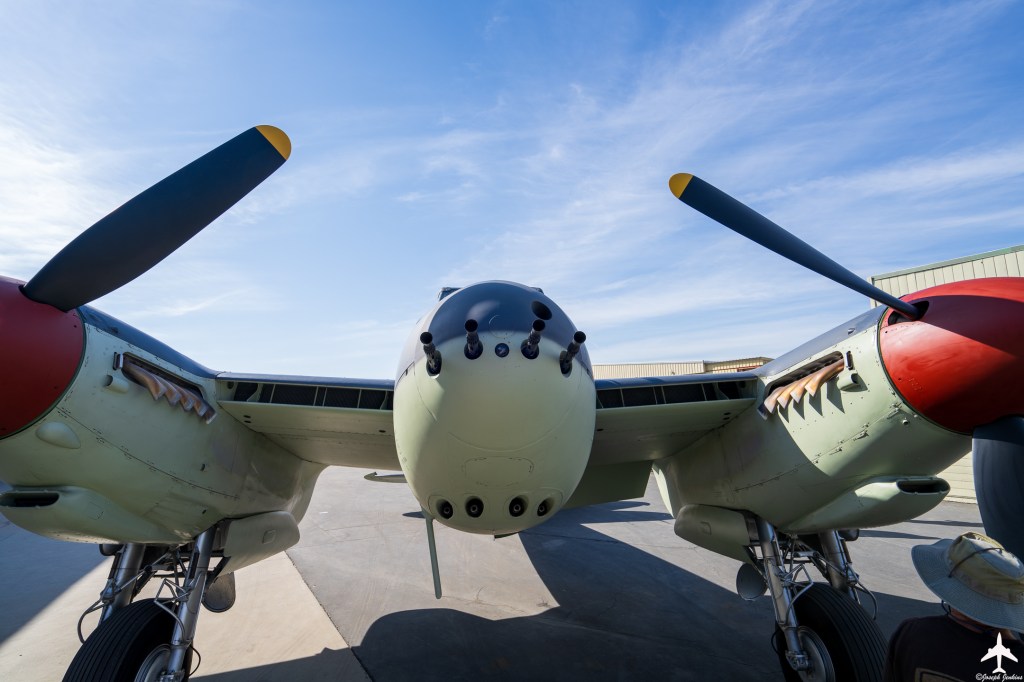
Generally armed with four .303-calibre machine guns and four 20-mm cannons, all firing through the nose
And this is the configuration you can see in the C5 today. Again, to do its exceptional speed, it soon became clear that it would make an excellent night fighter.
We’re able to sneak up on German aircraft and shoot them out of the sky. Later the night fighters were also used on intruder missions, attacking German airfields at night. I mentioned the use of the 57 millimeter tank gun as it’s being installed on the ski gun to give it increased firepower.
This allowed the aircraft to serve as a tank buster and as the short video shows, an anti -ship vehicle. The C5 is a nice feature of the 6 -bar gun and it fires at a rate of 25 general in 26. It remains effective against property from small shipping companies.
when Squadron number 811 is the first production aircraft, it only had a short operational life as a frontline aircraft. The Squadron was disbanded in 1947, but there’s time that they have one C -Running, the Mitchell’s, the Navy.
At the end of the aircraft’s operational life, many of the skills were part of the service. Again, due to its speed, the skills were ideal for this role, as they could go fast enough for the first generation of a disjettler to have to shoot at the targets.
The Mosquitoes had a long life, for 23 years. The crew could speed as much of weapons as any armament. Most importantly, the Mosquitoes were much loved by the crews and by their allied nations. The film and street speech of the Mosquito Union roles in at least three films The Mosquitoes served in Europe, Mediterranean and the parties And the lowest loss of any combat aircraft in the war The air -credited with over 700 enemy aircraft shot down As well as destroying more than 600 B1 flying bombs destroyed in the air Including their wartime service and their post -war service They ultimately served in 18 different countries They continued in service with the boiler force until 1963.
Diving in Kona a couple of weeks ago we were taking photos. I took my A7R5 under with me and didn’t realize I hadn’t turned off autoiso. I had changed all of the other necessary settings, but forgot that one. I got this as my shot:
After doing some heavy editing with masking and other things I was at least able to salvage something of the shot and come up with this:
Better, but not perfect. At least it looks pretty decent.
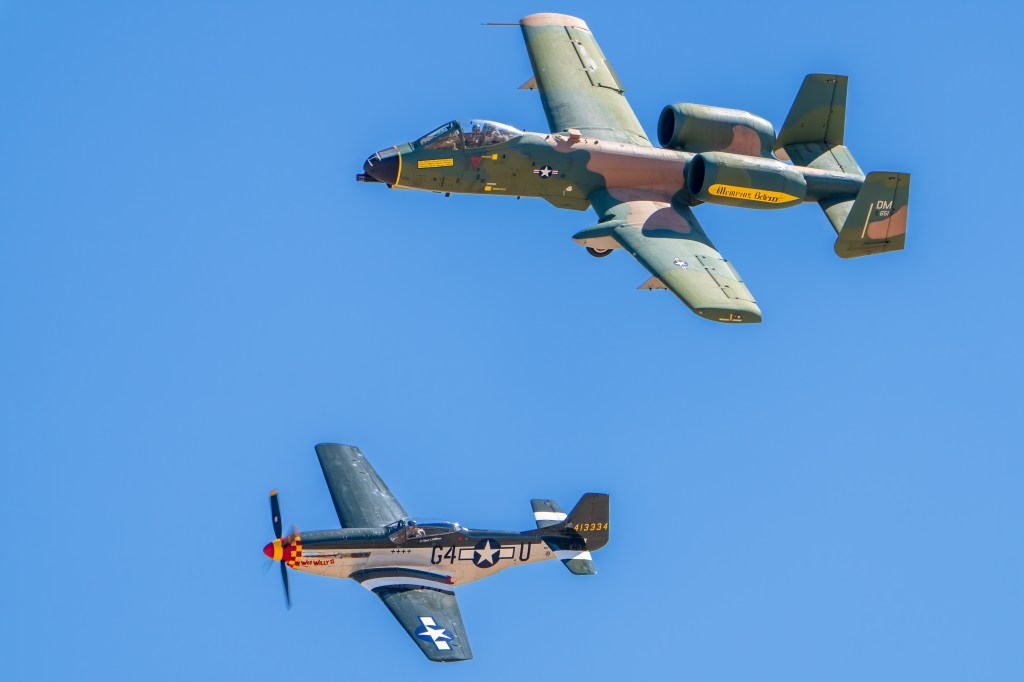
P-51D from the Planes of Fame Air Museum and Airforce F-16 flying the Heritage pass at the 2023 Miramar Airshow. 2 great planes of two different eras. Whether perspective or not, it looks like the size of the planes isn’t that different.


















 Joseph Jenkins