

VX-31 Super Hornet taking off from the Camarillo Airfield on Sunday of the airshow. Takes off and then does a high speed climb on its way home from the show. Such a roar as it takes off from the ground.
VX-31 Super Hornet taking off from the Camarillo Airfield on Sunday of the airshow. Takes off and then does a high speed climb on its way home from the show. Such a roar as it takes off from the ground.
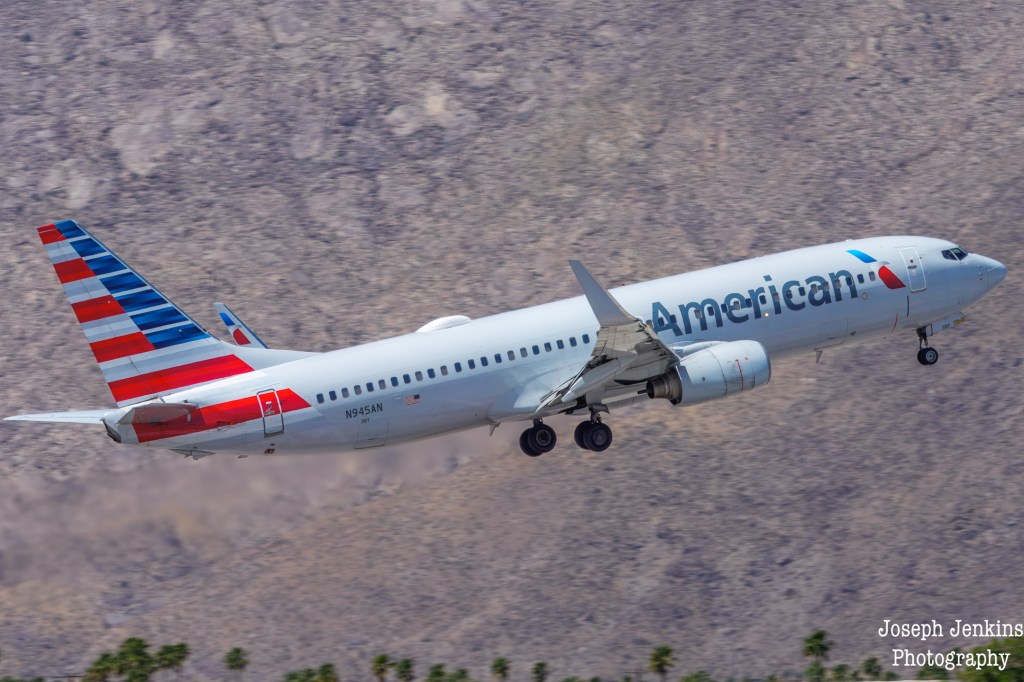


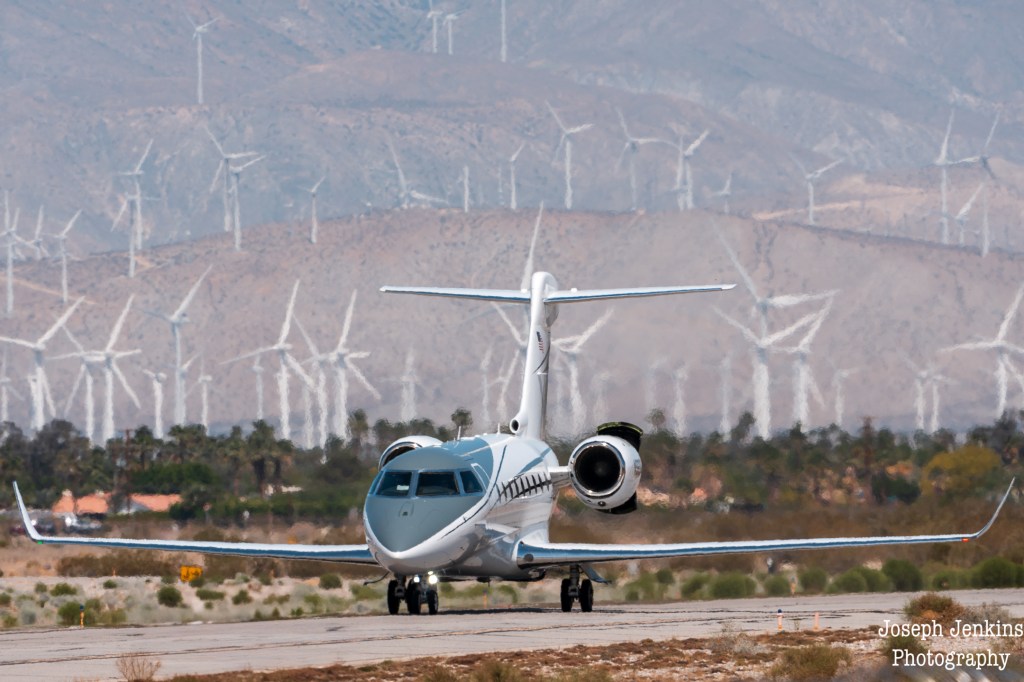
Spent some time at the Palm Springs airport and just worked on catching some of the commuter planes taking off and landing. Worked on shooting from various spots in the airport and found some of the best ones in North Hangar of the Palm Springs Air Museum. It was also nice that the shade kept me from melting in the desert sun.

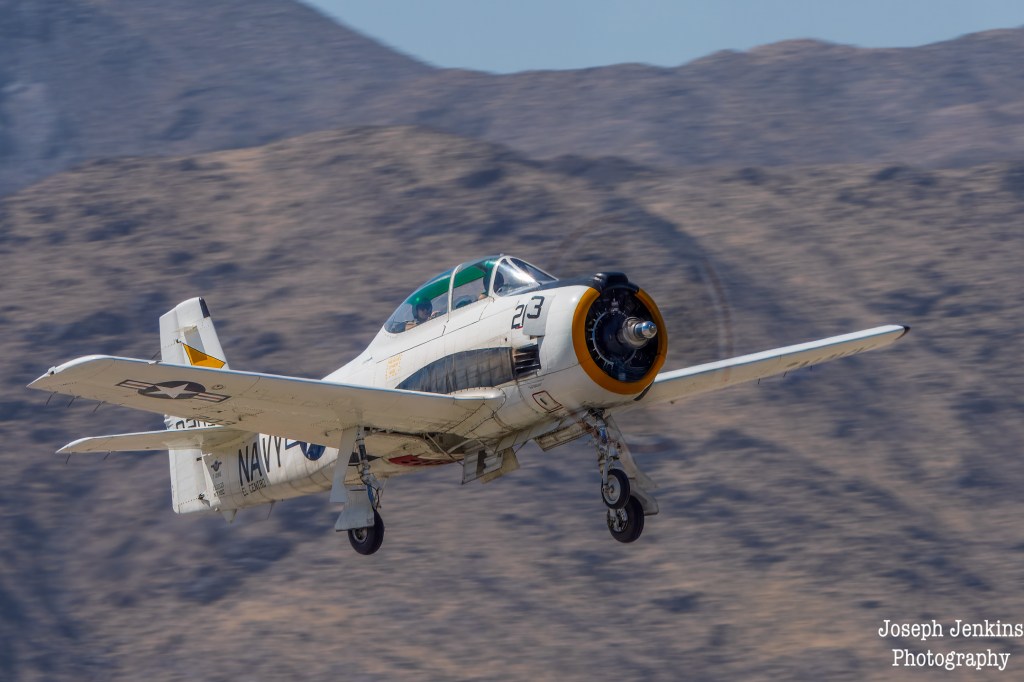
Somone is going out for a ride on the T-28B Trojan at the Palm Springs Airport. A trainer for the Navy, this plane takes off with the San Jacinto mountains in the background.
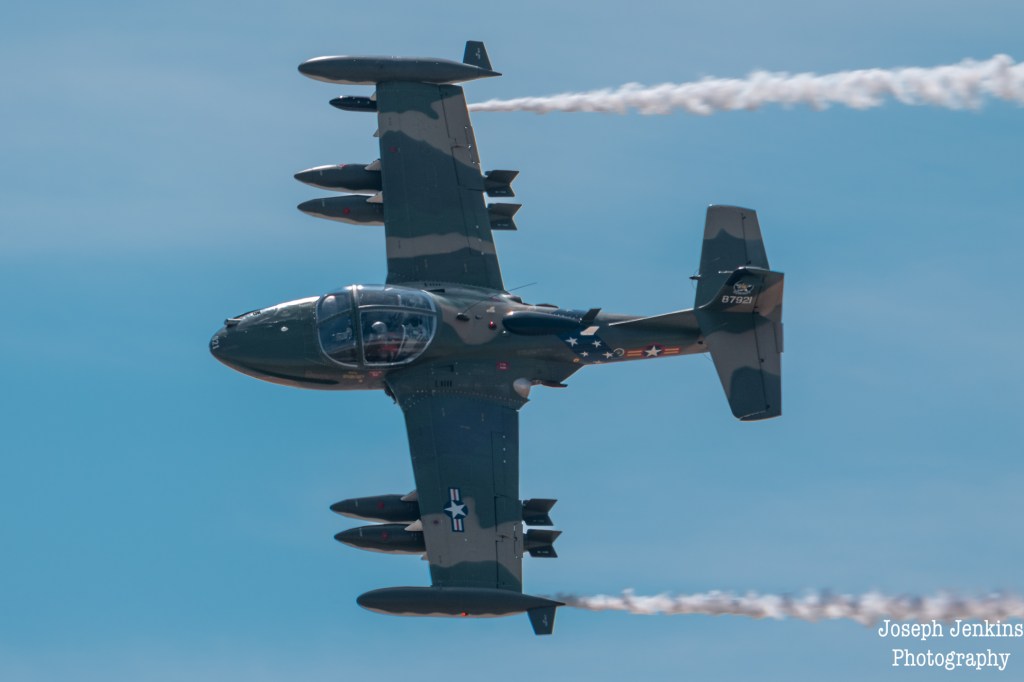
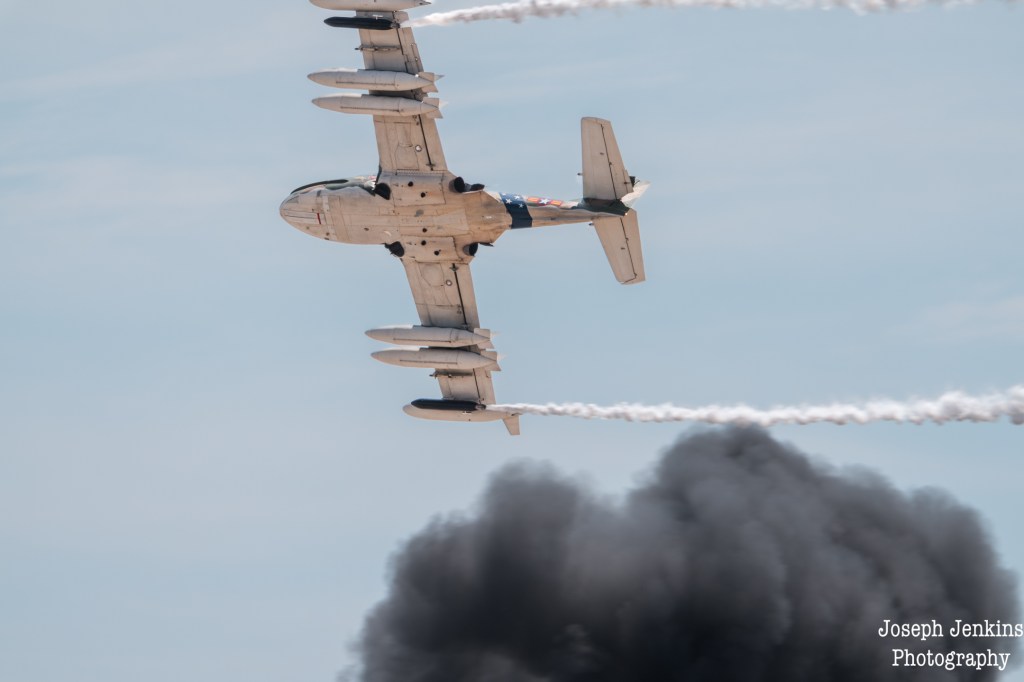
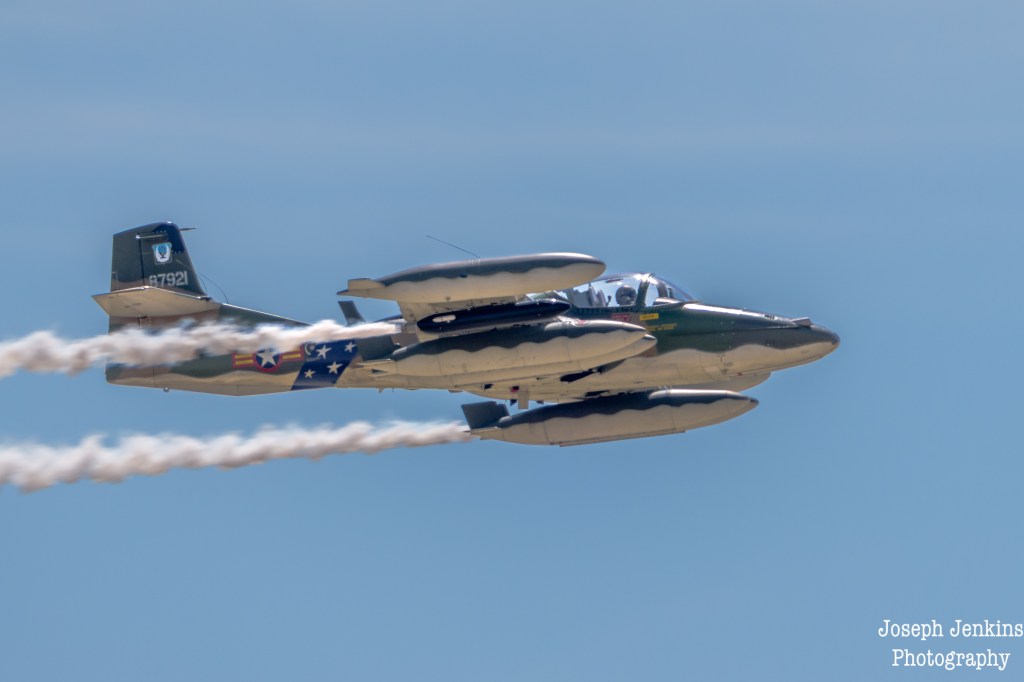
I didn’t realize that Cessna made combat aircraft. I was very surprised to see this odd looking plane gracing the sky at the 2025 March ARB airshow. The plane is ridicously powered and while it doesn’t have an afterburner, the thrust to engine ratio is impressive.



How it was made:
Russia said to the UK, “Can we have your jet engine?” Now, after World War II, England was broke. And they needed money. So, and they also wanted to keep Russia happy. So they said, “Yeah, we’ll sell you 25 of our jet engines.” Figuring they wouldn’t be able to make copies. Well, Russia made copies. Once they got the Rolls-Royce jet engine, they made a copy of it. The MiG-15 made its maiden flight in December 30th, 1947. The first production aircraft flew exactly one year later. It was in the frozen skies of Korea that the MiG-15 proved one of the most horrible fighters of its generation. On November 8th of 1950, MiGs tangled with United States Air Force F-80Cs, Lieutenant Russell Brown downed one of the Communist fighters in the history’s first jet-to-jet dog flight. Despite this initial success, the performance of the swept-wing MiG was far superior to that of the straight-wing aircraft like the F-80 and the Navy’s F-9F Panther. Because of that, the fourth fighter wing in the United States with its F-86A Sabers were rushed to the far east to clash with the MiGs in the first time of December. For the next two and a half years, Sabers and MiGs, frequently flown by Russian and other Eastern Bloc pilots, doled in the skies over the Yahoo River in the area called MiG Alley. At the end of the Korean War, Sabers pilots claimed a kill ratio over their opponents of 7 to 1. This lopsided total, usually attributed to the superior training given to United States Air Force pilots. The West got his first close-up look at a MiG-15 in September of 1953 when a North Korean pilot defected. MiG-15 served with virtually every Air Force in the Communist Bloc, including those of the Soviet client states in Latin America, Africa, and in the Middle East. Some soldiered on into the 1970s. Over 17,000 aircraft were built in Russia, Poland, and Czechoslovakia. Thousands more were built in China. The museum aircraft is an early model MiG BIS. All parts, including the engine, were manufactured at the State Aircraft Laboratory 1 in Franzie Airfield, Moscow in the Soviet Union in 1951. The parts were shipped to the People’s Republic of China for final assembly at their Xinhai facility. While serving with the People’s Liberation Army Air Force as what they called the J-2, several modifications were made to the aircraft. It may have participated in the Korean conflict and was exported to the United States in the 1980s and acquired by a private family. They generously donated it to the museum. This airplane has flown in a couple different movies. One of the movies you might know of is the movie “Devotion,” and the aircraft was based in a town called Wenatchee, which is up in the state of Washington, where they used the Cascade Mountains as a simulation of Korea during the Korean War. The museum owns three MiG 15s. Two are airworthy, and one is on static display.


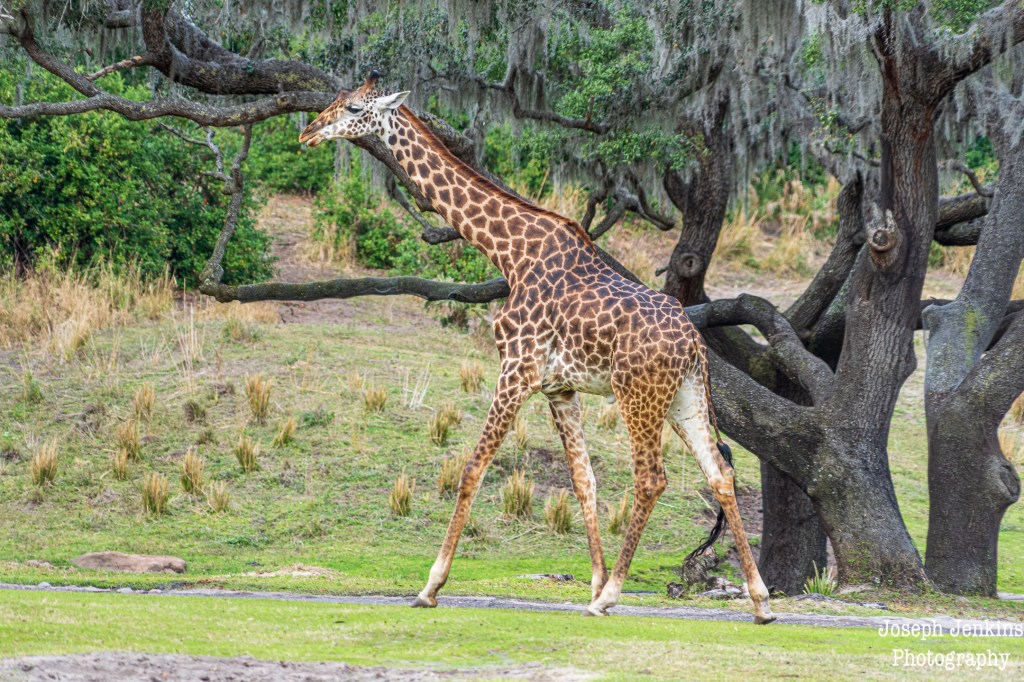
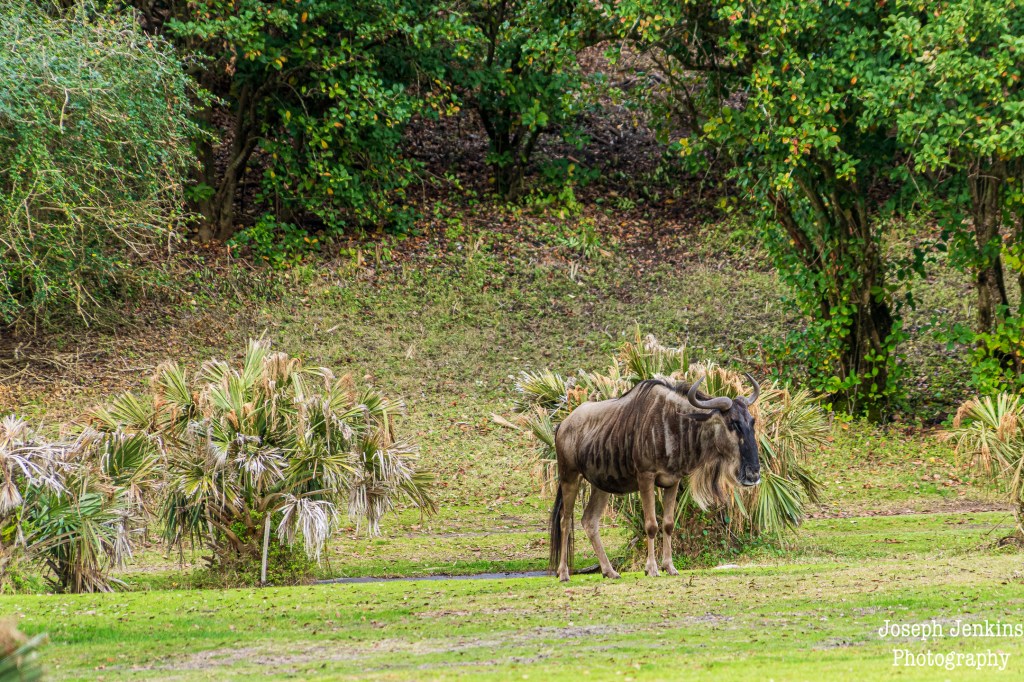
Some shots from the Animal Kingdom park in Orlando. We took the tram tour and went around the savannah and took some shots of the animal throughout the park. Such a fun time to visit the park and be able to see the animals. I was shooting with the A1 and the 24-240 lens on the camera. The lens worked well and allowed me to get up close to the animals. The only downside was how much the truck was shaking and the fact that it never really stopped. I spent most of the time bouncing around and trying to steady the camera while shooting.
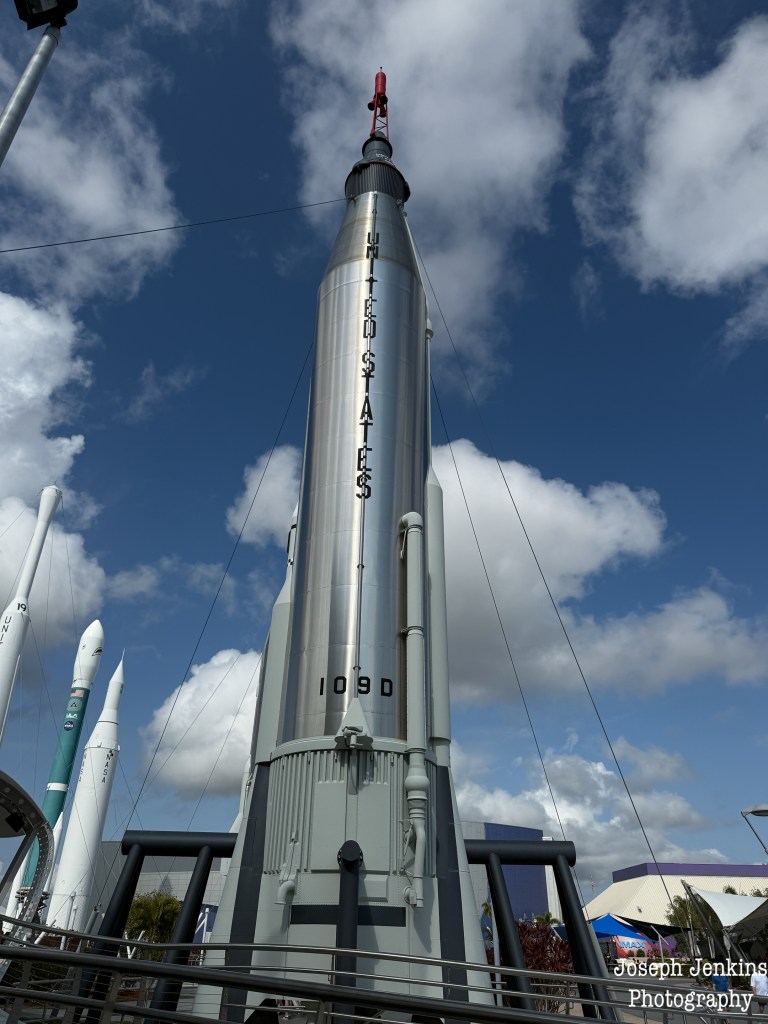

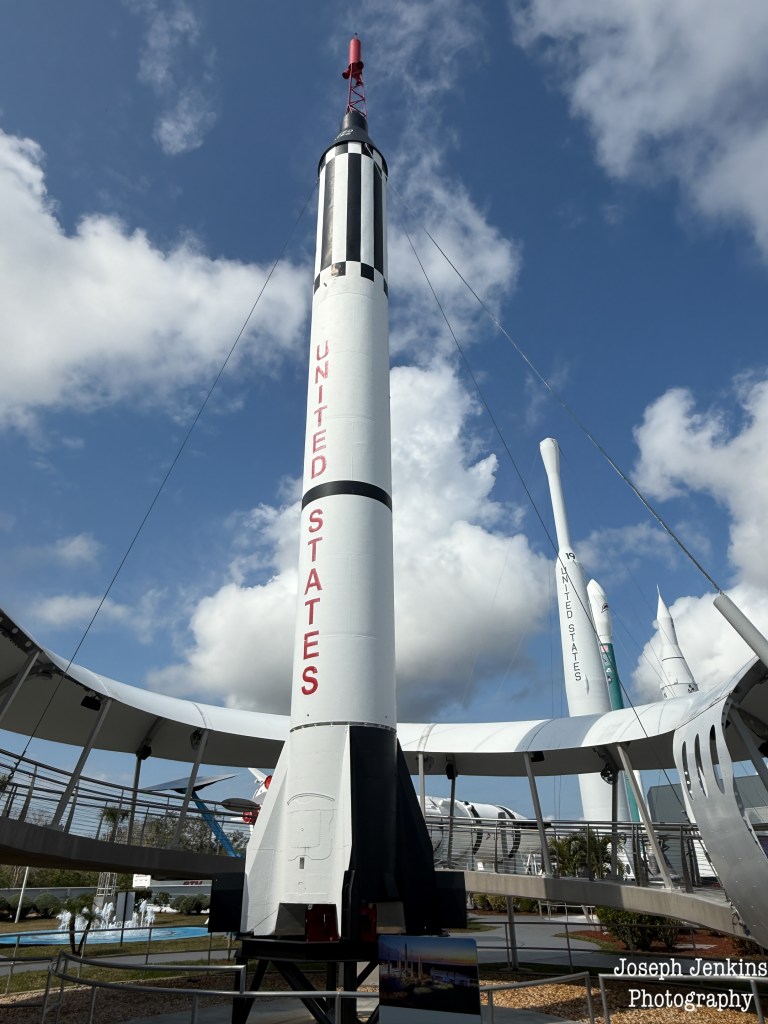
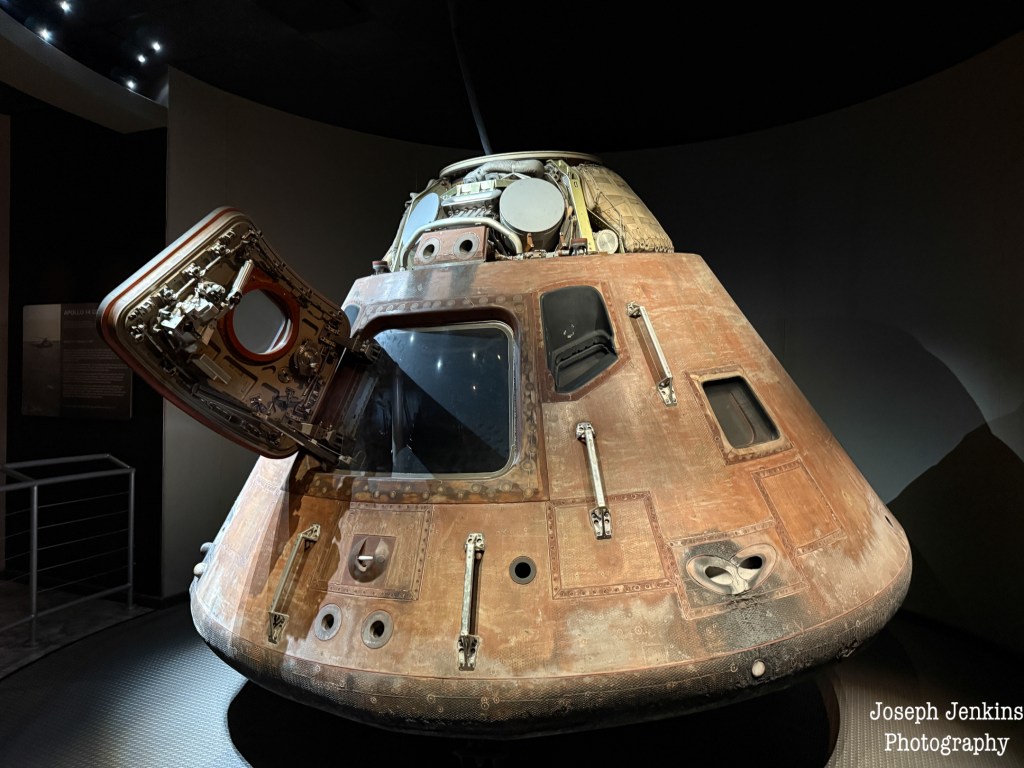
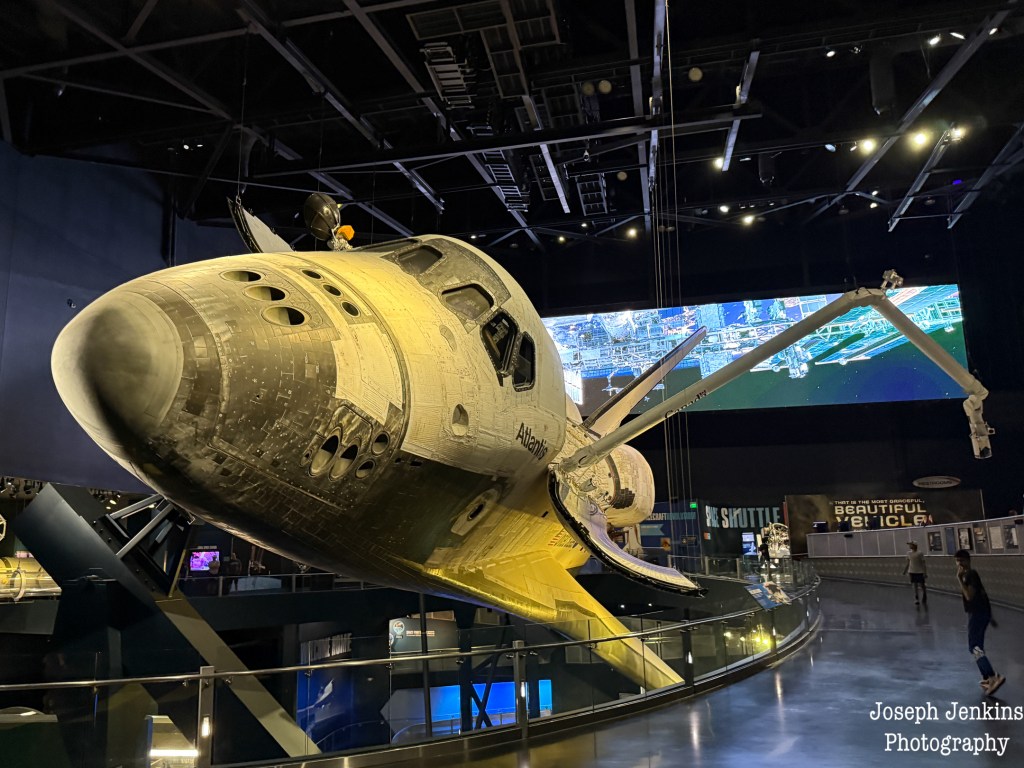
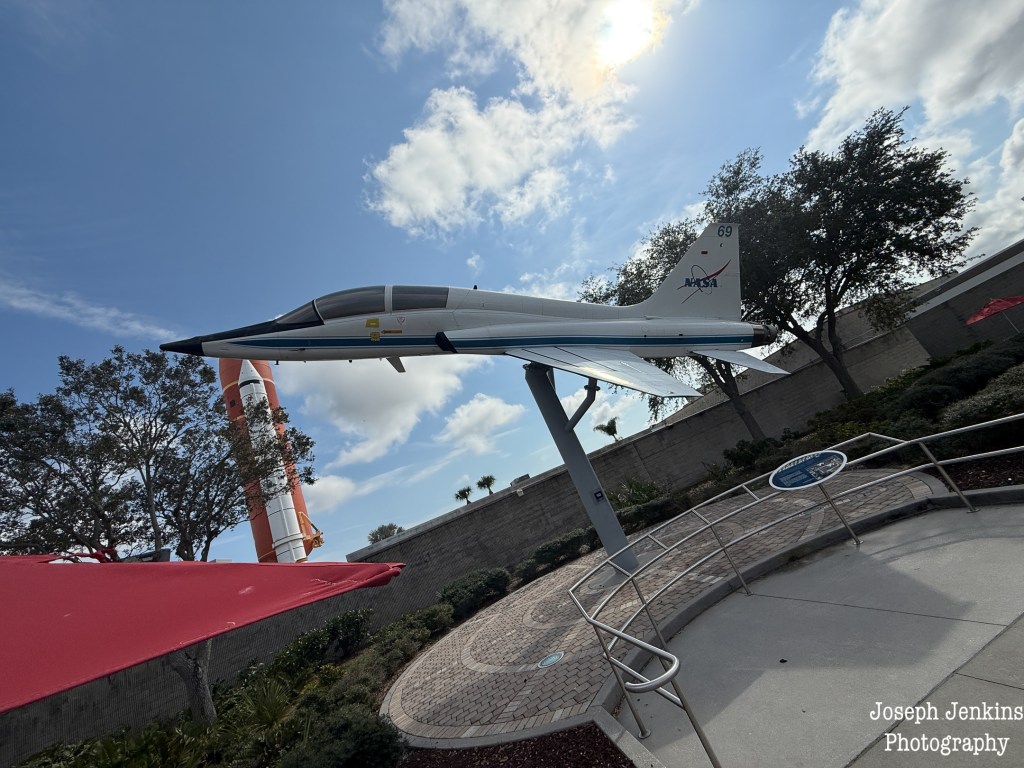
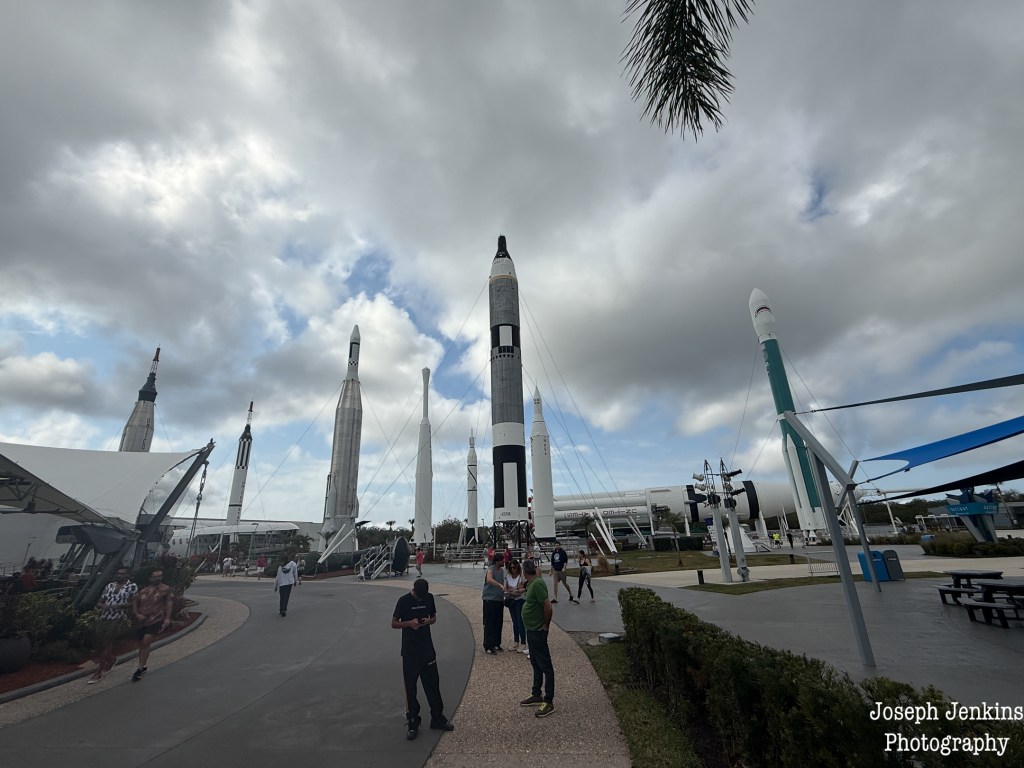

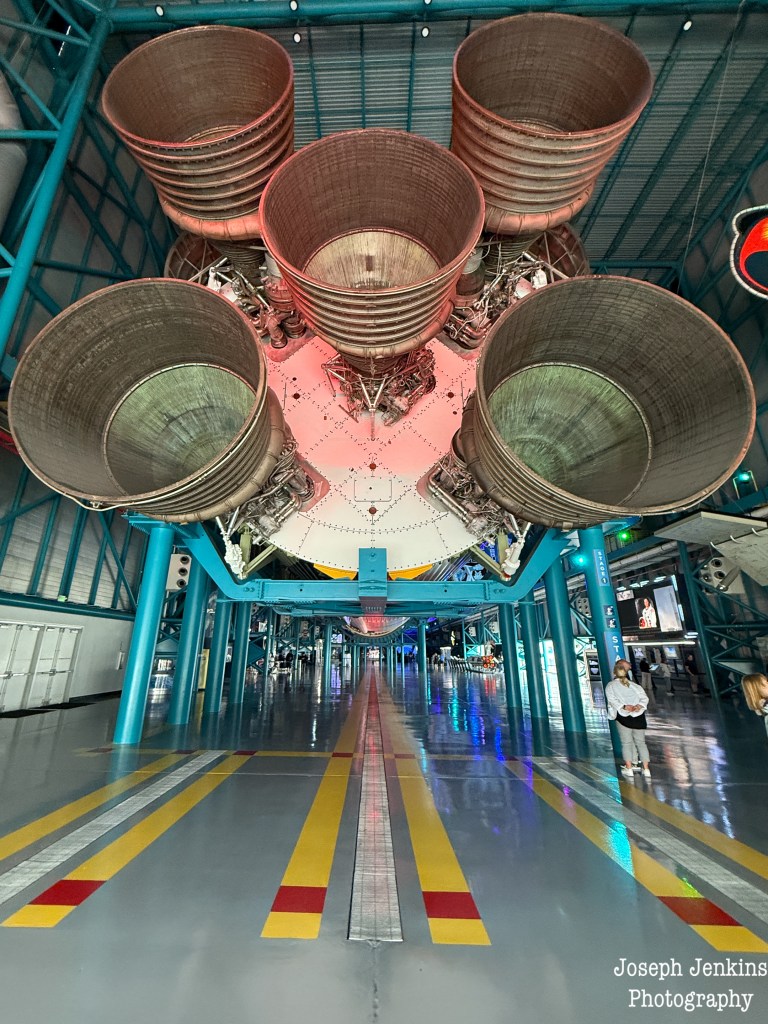
Was on a trip with my wife to Florida and got to spend some time at the Kennedy Space Center. So much history here and things to do and interact with. Was well worth the drive out from Orlando to spend the day while I was at “work”. The number of interactive exhibits is cool and the rocket park is awesome to see. You don’t get a sense for how big some of this stuff is until you get to see it in real life. Unfortunately the rocket launches for that day had been scrubbed otherwise I would have waited around for one.
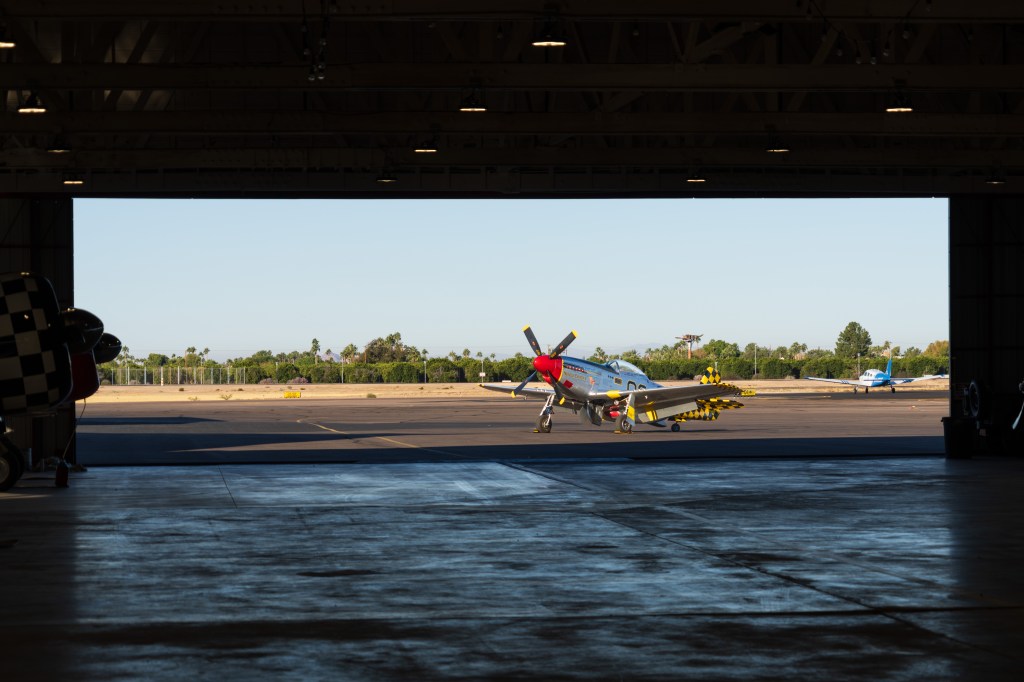
Beautiful P-51D plane at the Wing of Flight Foundation hangar in Mesa Arizona. Plane is sitting out getting some sun and framed by the hangar. We shot the plane early in the morning at sunrise and then spent the rest of the day shooting Air 2 Air shoots.

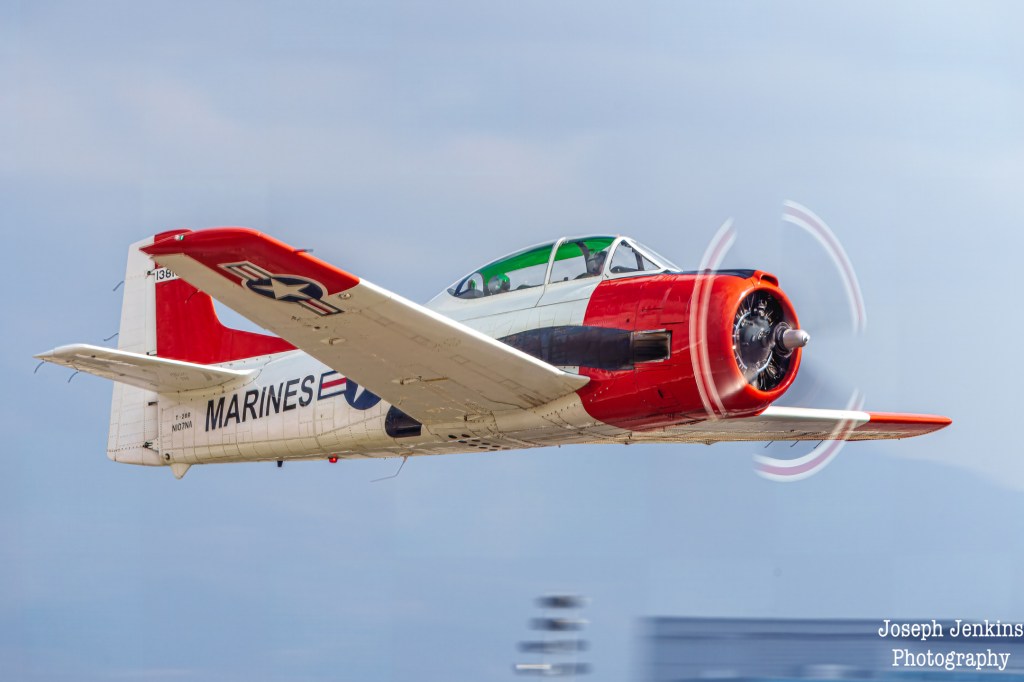

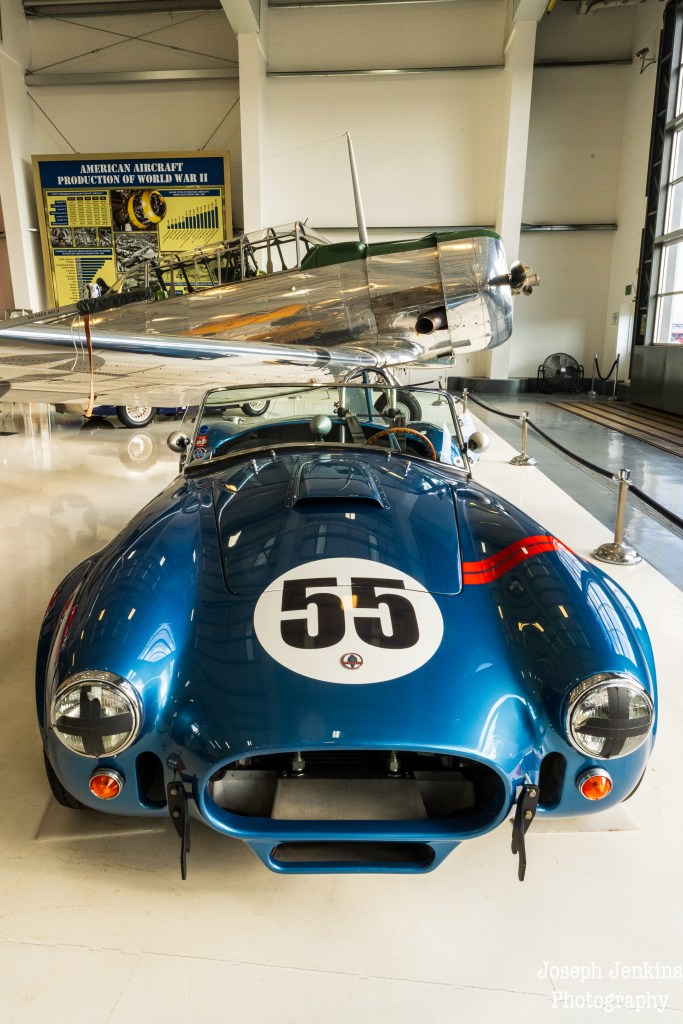
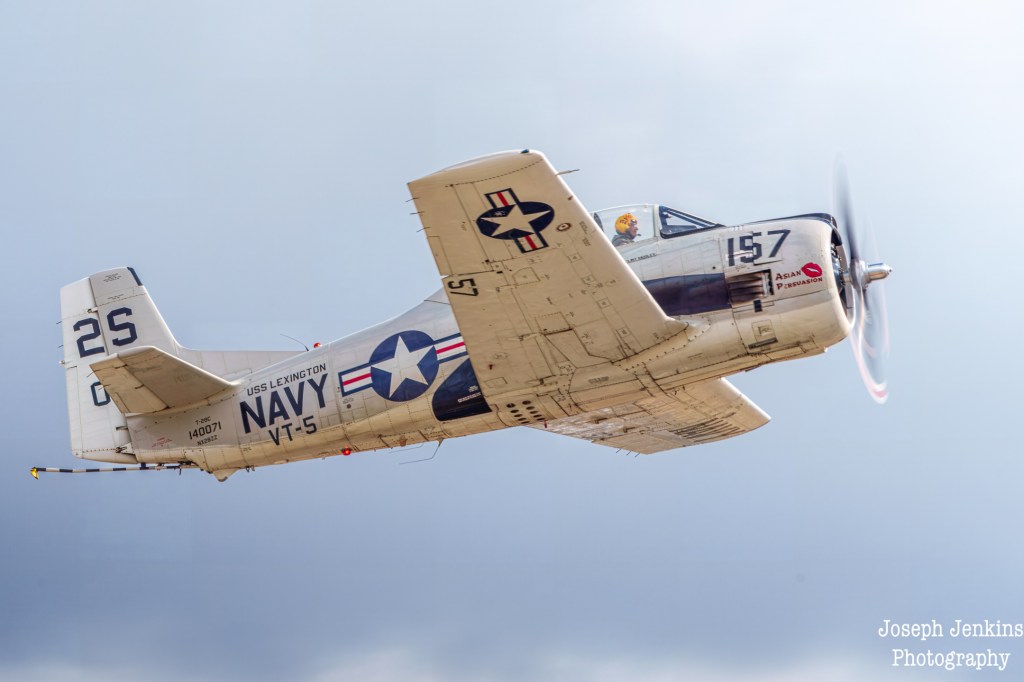

First time at the Lyon Air Museum, for one of their events on the flightline. Really a great museum with a lot of nice planes. It also helps that you are on the SNA flightline and can capture planes coming and going. During the event some of the planes ended up taking off so I was able to capture some in flight shots as they left.

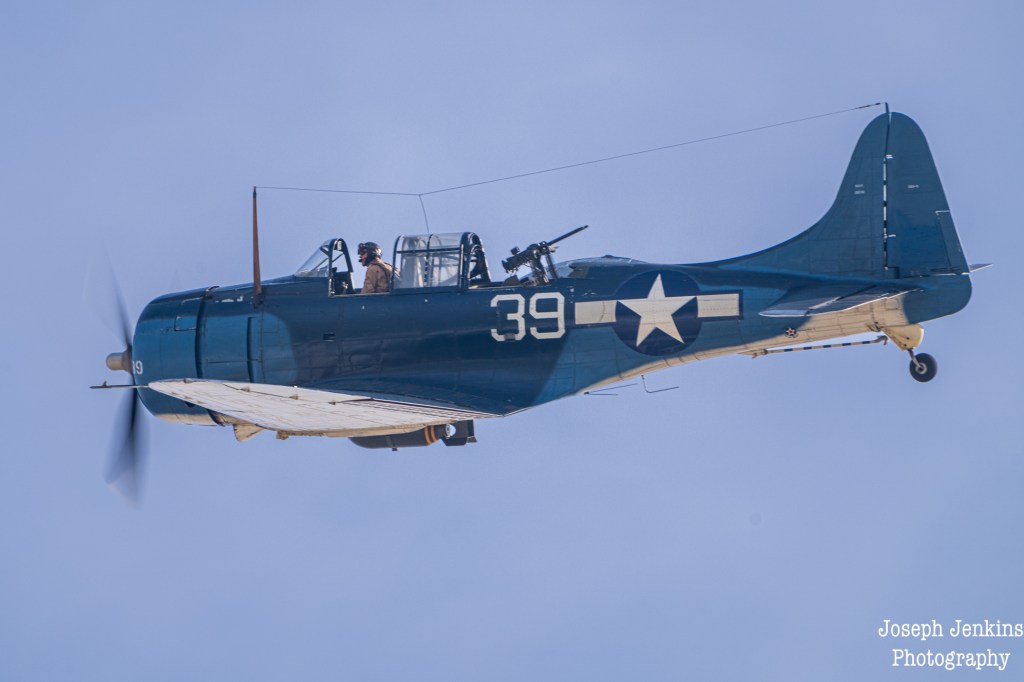
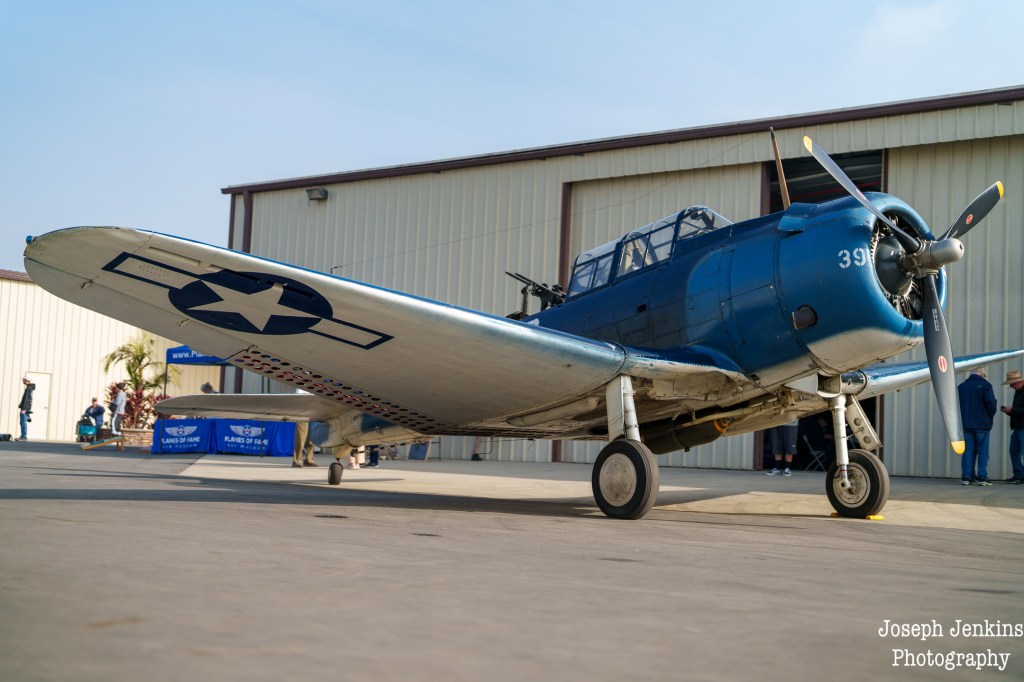
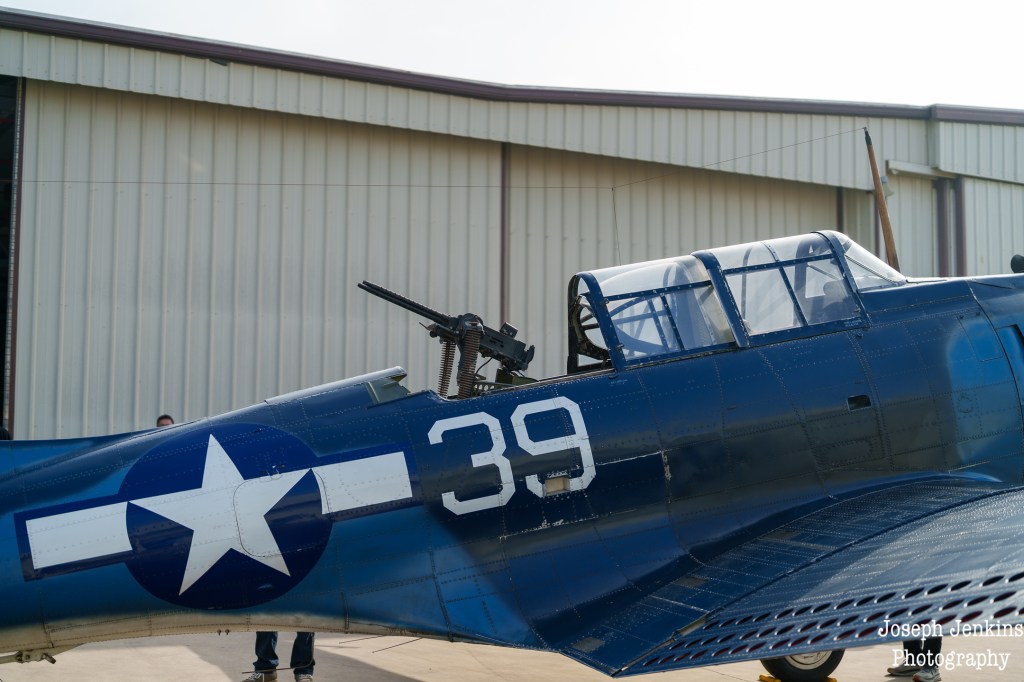

The Museum’s SBD-5 is a World War II Combat Veteran. Following shipment to Espirito Santo in the combat zone, the aircraft was assigned to Squadron 25 of the Royal New Zealand Air Force. It flew 28 combat missions from the South Pacific island of Bougainville. In May 1944, it transferred to the U.S. Marine Corps. For the remainder of the war the aircraft served with six different Marine and U.S. Navy squadrons. After the war, it was sold to Warner Bros, appearing in films and serving as a wind machine. The Museum acquired it in 1959 and restored it to flight in 1987.
 Joseph Jenkins