This plane is on loan to the Air Museum and they used it for the November Hangar Talk. The place is much bigger than I thought it was. I was really surprised at the size of it. Here is some excerpts from the talk they gave describing the plane.
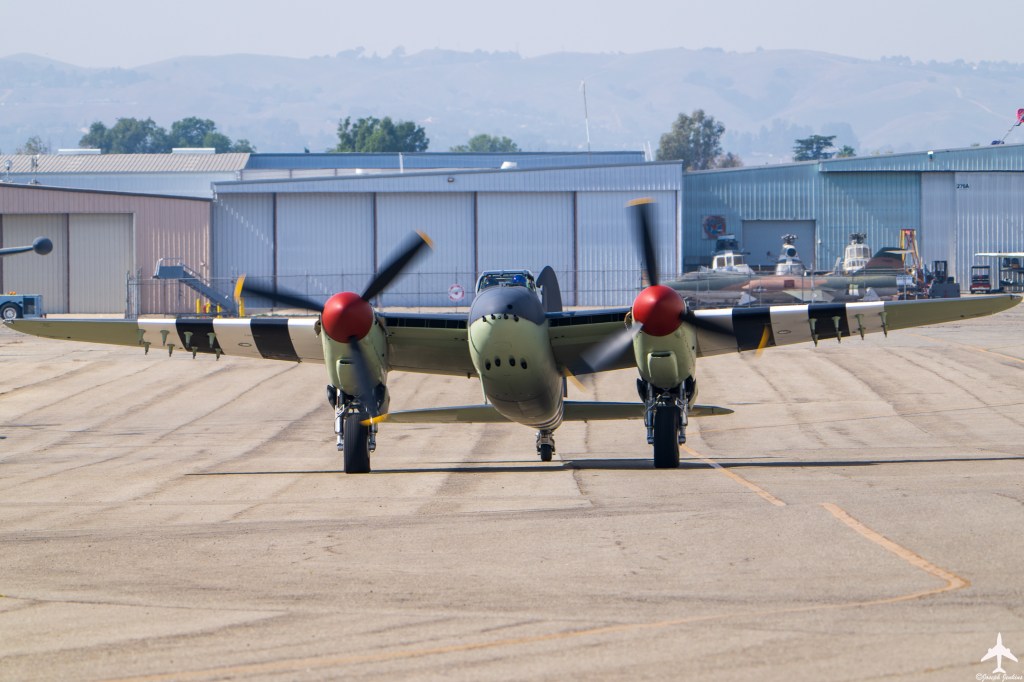
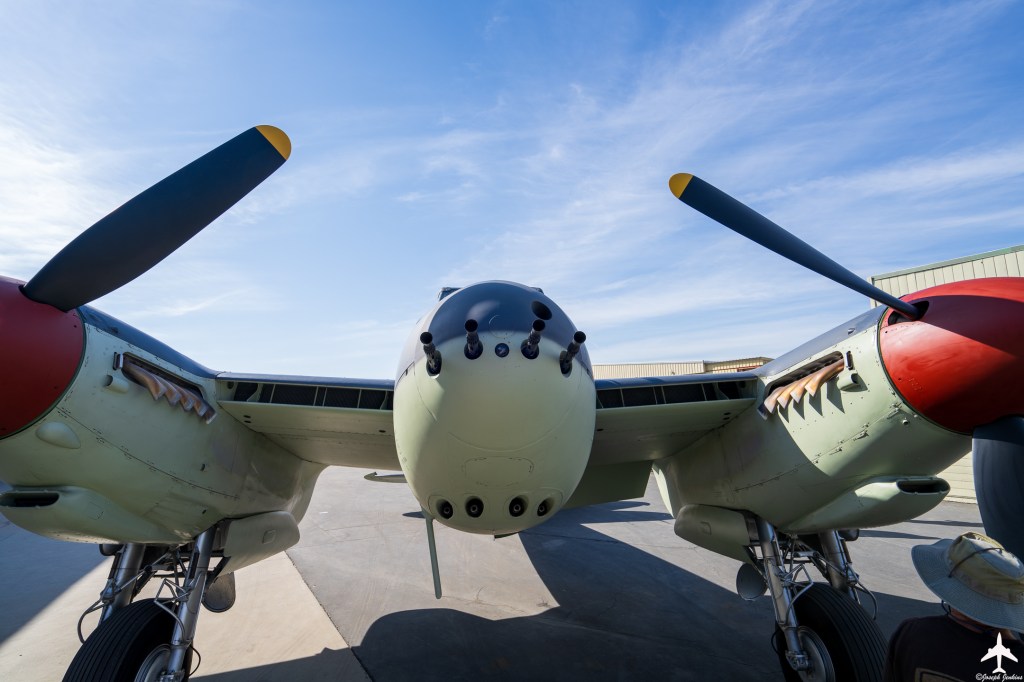
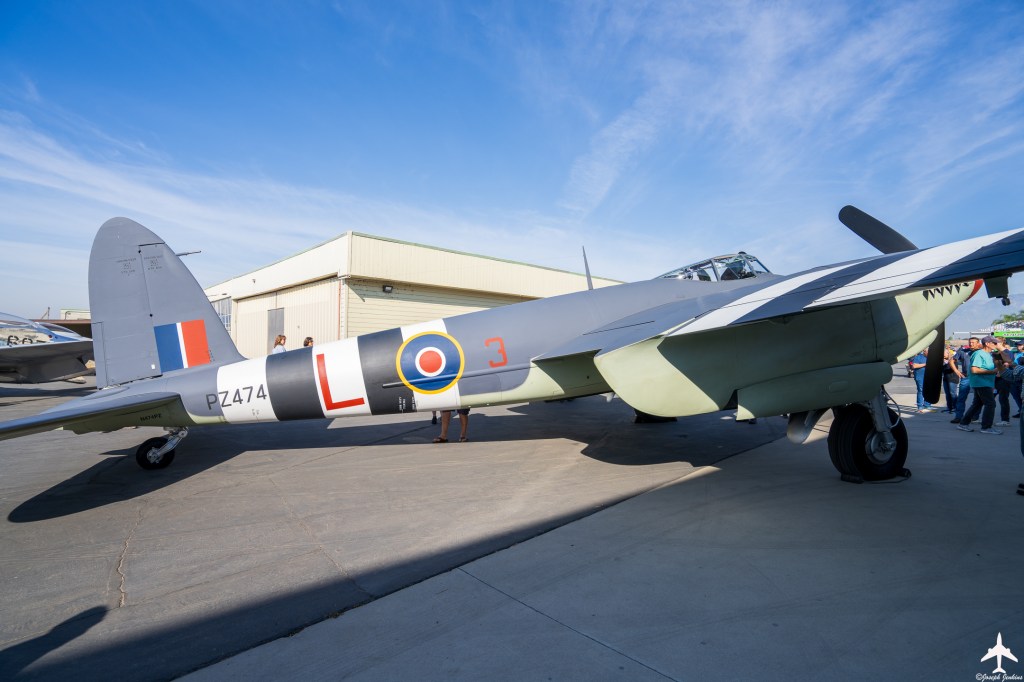
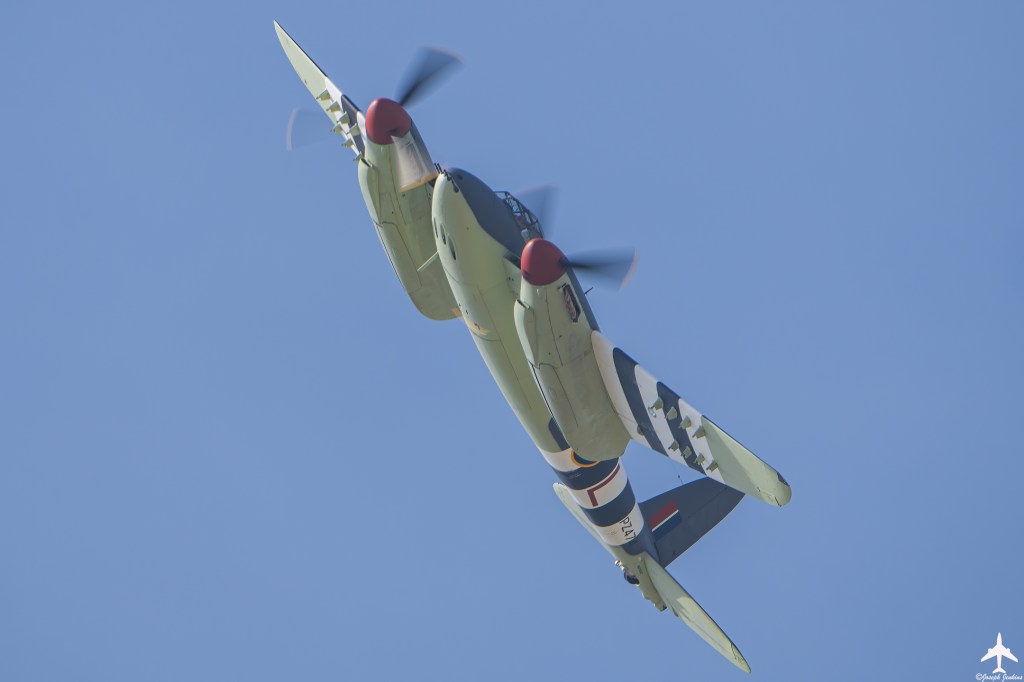
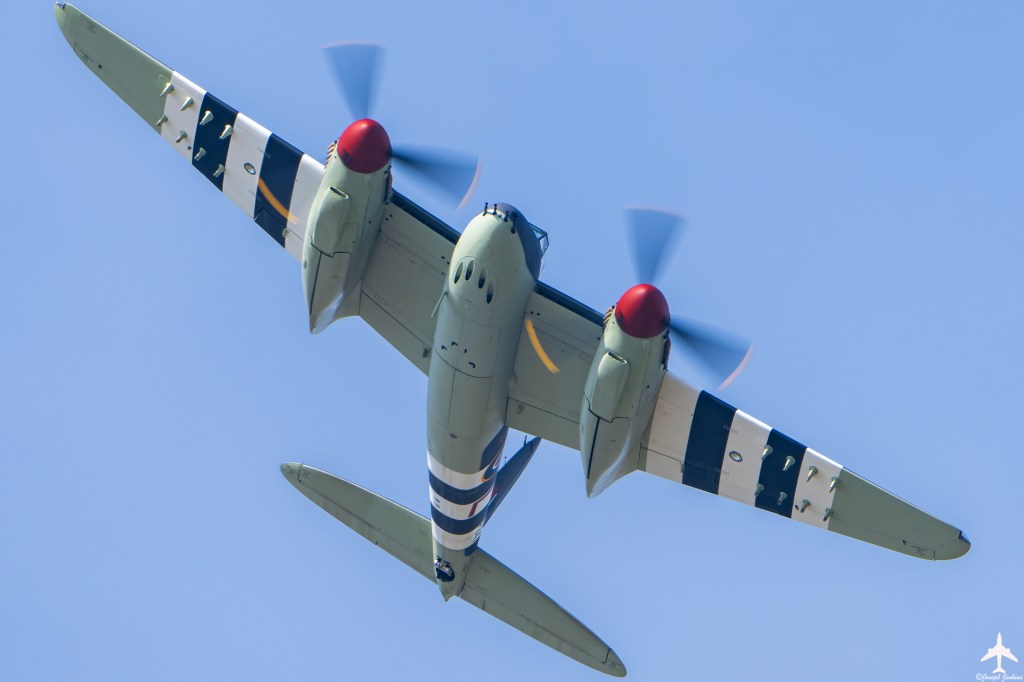
Generally armed with four .303-calibre machine guns and four 20-mm cannons, all firing through the nose
And this is the configuration you can see in the C5 today. Again, to do its exceptional speed, it soon became clear that it would make an excellent night fighter.
We’re able to sneak up on German aircraft and shoot them out of the sky. Later the night fighters were also used on intruder missions, attacking German airfields at night. I mentioned the use of the 57 millimeter tank gun as it’s being installed on the ski gun to give it increased firepower.
This allowed the aircraft to serve as a tank buster and as the short video shows, an anti -ship vehicle. The C5 is a nice feature of the 6 -bar gun and it fires at a rate of 25 general in 26. It remains effective against property from small shipping companies.
when Squadron number 811 is the first production aircraft, it only had a short operational life as a frontline aircraft. The Squadron was disbanded in 1947, but there’s time that they have one C -Running, the Mitchell’s, the Navy.
At the end of the aircraft’s operational life, many of the skills were part of the service. Again, due to its speed, the skills were ideal for this role, as they could go fast enough for the first generation of a disjettler to have to shoot at the targets.
The Mosquitoes had a long life, for 23 years. The crew could speed as much of weapons as any armament. Most importantly, the Mosquitoes were much loved by the crews and by their allied nations. The film and street speech of the Mosquito Union roles in at least three films The Mosquitoes served in Europe, Mediterranean and the parties And the lowest loss of any combat aircraft in the war The air -credited with over 700 enemy aircraft shot down As well as destroying more than 600 B1 flying bombs destroyed in the air Including their wartime service and their post -war service They ultimately served in 18 different countries They continued in service with the boiler force until 1963.
 Joseph Jenkins